Education
Higher education in Russia
Higher education in Russia is an investment in your future. Graduates of Russian universities are valued worldwide. You will be able to obtain quality knowledge that will help you enter the labor market and achieve success in your work.
Promising fields of study
Recognition of diplomas
How to get into a Russian university for free
Receipts under the Government of the Russian Federation quota
To get into the quota of the Government of the Russian Federation and study for free, you need to go through the following stages:

- Register on the portal «Education in Russia»
- Receive an invitation to the selection in your country and pass it
- Find yourself on the website in the list of candidates for the second stage of selection
- Wait for an email about opening access to your personal account on the portal
- Track the application status in your personal account on the portal
Admission to the Olympiads
In Russian universities, competitions are regularly held, the winners and prize-winners of which can be enrolled in the university without exams, study for free or at a discount
Information about such competitions can be found on the pages of universities or on the website of olympiads for foreigners
- International Olympiad of the Financial University for Youth
- Open Olympiad of RUDN Foreign Citizens
- International Youth Olympiad of HSE
- International MIPT Olympiad Phystech.International
- Olympiad "Lomonosov" of Moscow State University named after M.V. Lomonosov
- Open Doors
You can familiarize yourself with the full list of olympiads for students entering university here.
Students applying for a master's degree can also participate in the Olympiads. List of Olympiads for them here.
Admission under the general competition
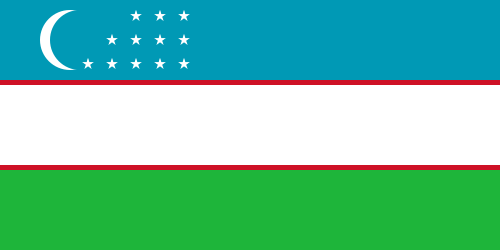
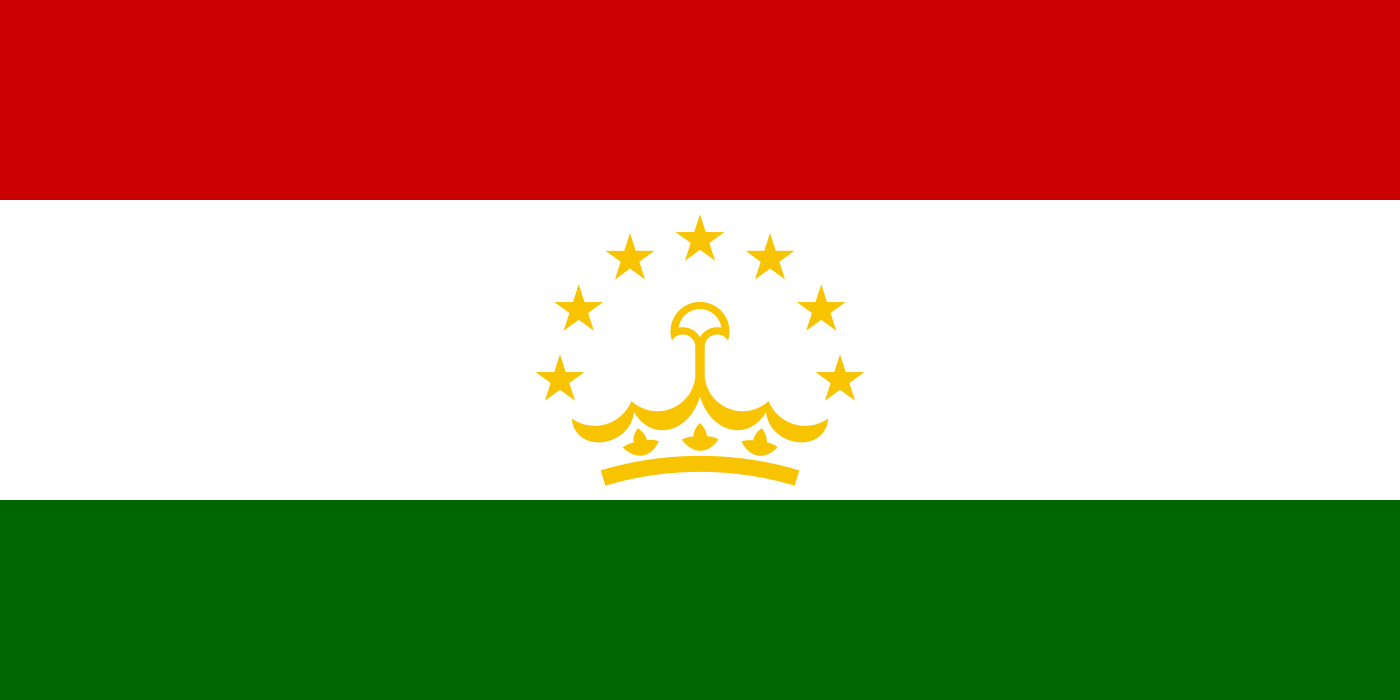
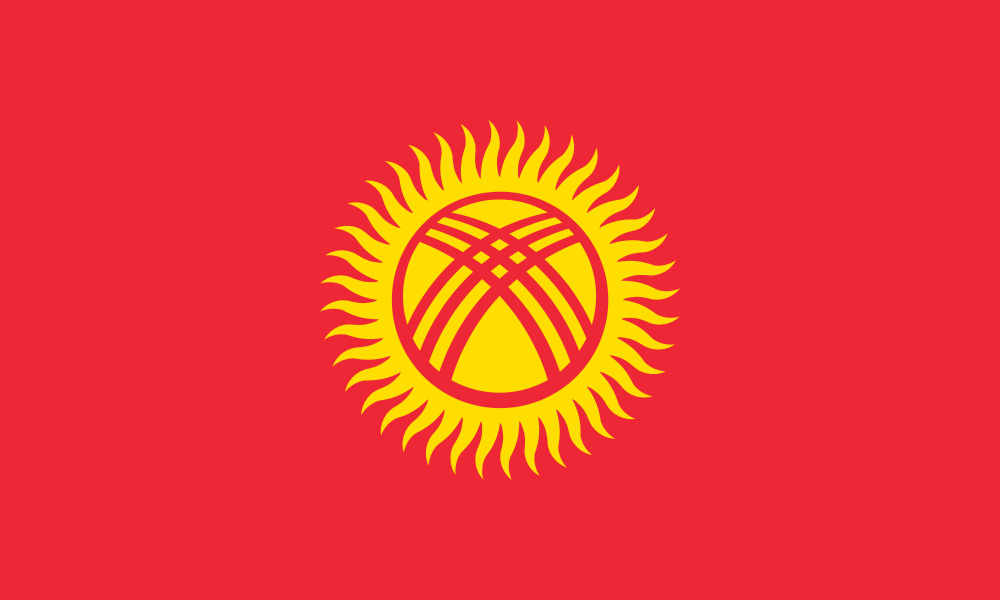
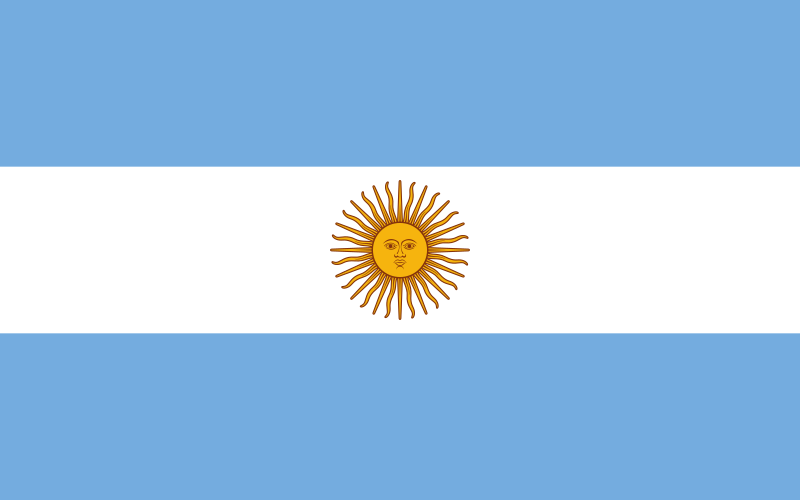
Citizens of the following countries can act on par with Russians:
Residence permit in Russia is not required
A residence permit in Russia is required
Also, "compatriots" - Russians or their descendants who currently live abroad but historically have Russian or Soviet origin (born in the Soviet Union) can apply under the general competition together with Russian applicants. Applicants from this category must provide documents confirming the status of a compatriot (birth certificate).
Learning levels
Undergraduate
Applied training in a broad field, building core competencies for starting professional work.
Features: The classic entry point into higher education after school. It focuses on practice and the study of general scientific and specialized disciplines that help students adapt quickly to labor market requirements.
Duration of study: 3–4 years.
Specialty
An integrated program (bachelor's + master's level) that awards a qualification in a specific specialty for solving complex professional tasks.
Features: Allows students to gain fundamental knowledge in engineering, medicine, economics, and other priority fields without an intermediate master's level.
Duration of study: 5–6 years (depending on the field).
Master's degree
Development of advanced analytical, research, and expert competencies in the chosen field.
Features: The second stage of higher education, available after a bachelor's or specialist degree. It involves specialization in a narrow field, research training, or obtaining a new qualification.
Duration of study: 2–3 years.
Postgraduate (adjuncture)
Training of highly qualified research and teaching staff for independent research and academic teaching.
Features: A key stage for entering advanced research. It includes candidate exams, dissertation writing, and ends with the award of an academic degree (PhD or Candidate of Sciences). Admission is possible after a specialist or master’s degree.
Duration of study: 3–4 years (full-time).
Ordination
Clinical training of specialist doctors in a specific narrow profile.
Features: A specialized level of postgraduate medical education. It is delivered in leading clinics and medical centers under the supervision of practicing physician mentors. Admission is strictly after a specialist degree in the relevant field.
Duration of study: From 2 to 5 years (depending on the medical specialty).
Internship assistant
Advanced creative and pedagogical training in the arts, developing readiness for solo, production, concert, and teaching activities.
Features: A unique program for musicians, directors, artists, and choreographers. It involves intensive individual work on performance skills and the creation of creative projects under the guidance of recognized masters. Available after a specialist or master's degree.
Duration of study: 2 years.
How universities develop
In Russia, there are state programs that promote the development of higher education. The program "Priority-2030" helps the 100 best universities improve the quality of education and conduct scientific research. Advanced engineering schools at universities prepare technical specialists for the most modern technological sectors of the economy. The federal project "Creating a network of modern campuses" finances the construction of 40 world-class campuses across the country.
Priority «2030»
For 5 years now, the largest program in the history of Russia for the development of higher education – "Priority-2030" – has been being implemented. Its goal is to create conditions for quality higher education in all regions of the country, including the Far East and the Arctic. Universities are engaged in unique developments for Russia's technological leadership.
The project covers:
- 141a university
- 56regions from Kaliningrad to Kamchatka.
participating universities:
- receive grant support from 100 million rubles;
- become partners with enterprises and business companies;
- cooperate with scientific organizations;
- implement 283 strategic technological projects.
Thanks to the program, the infrastructure of universities is being updated, new modern campuses are being built, research laboratories are being equipped, where young scientists work. Digital departments are being opened in universities, which provide the opportunity to obtain new professions in the field of information technology. The educational programs themselves are changing, students are studying practical modules, and the "Startup as a Diploma" program allows you to defend your final qualifying work based on your own business idea.
Advanced engineering schools
Since 2022, Russia has been implementing the Advanced Engineering Schools project.
Its goal is to train a new generation of engineers capable of working at modern enterprises and creating technological solutions.
Advanced engineering schools are educational centers based at Russian universities, where students study in cooperation with leading companies and gain experience participating in real engineering projects.
In 2026, 50 advanced engineering schools are operating in Russia.
Creating a network of modern campuses
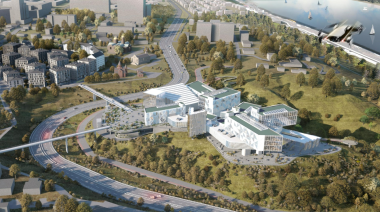
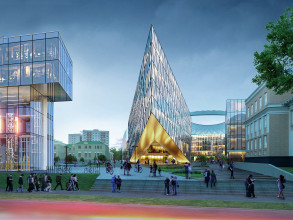
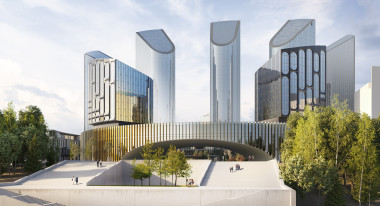
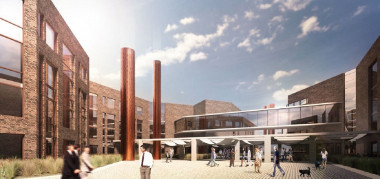
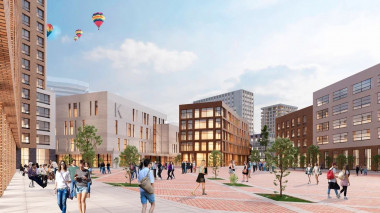
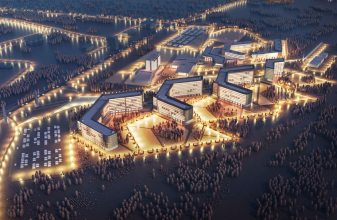
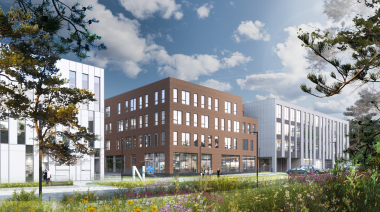
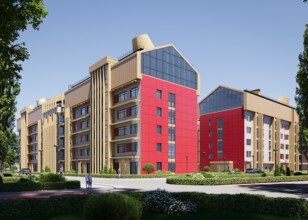
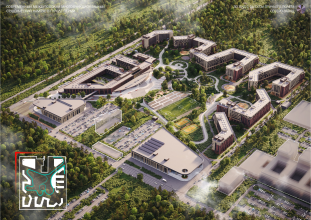
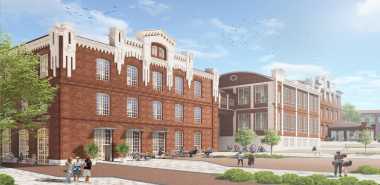
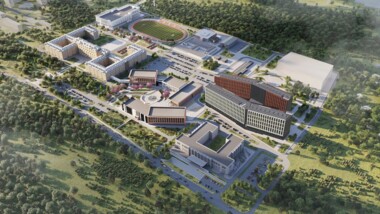
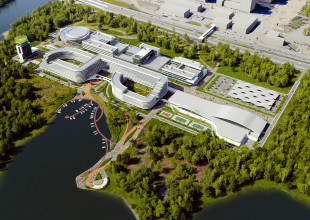
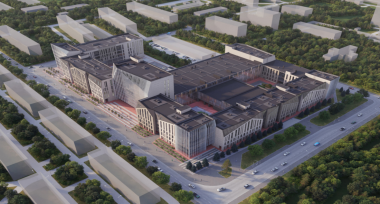
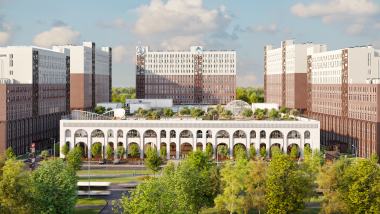
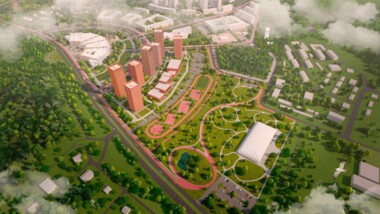
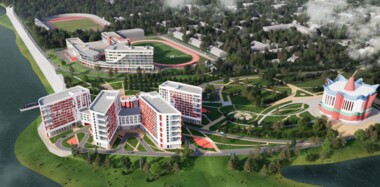
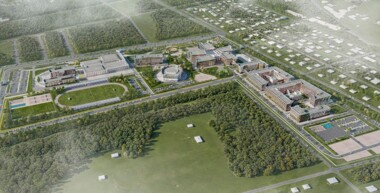
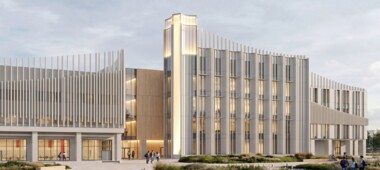
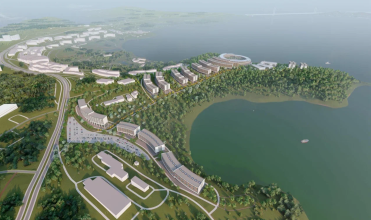
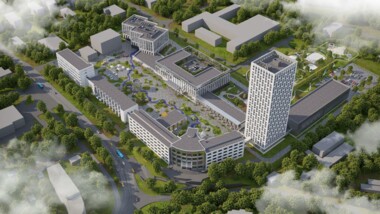
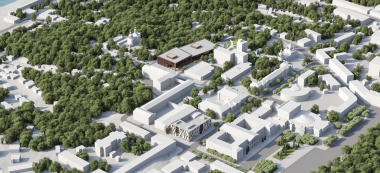
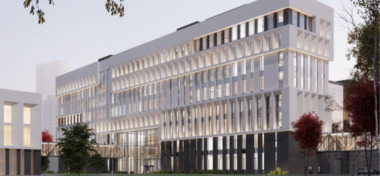
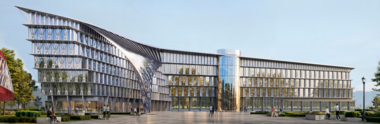
Despite the high technical development of Russian universities, innovative world-class campuses continue to be built in the country. By 2036, 40 such spaces will be built. The campus of MSTU named after N.E. Bauman, consisting of 14 buildings in Moscow, has already been fully built. Some buildings for future campuses in the Republic of Bashkortostan, Kaliningrad, Nizhny Novgorod, Novosibirsk, Sakhalin, Sverdlovsk, and Chelyabinsk regions are also ready. Campuses should increase the attractiveness of Russian universities for foreign applicants.
Campuses will become a modern space where it will be convenient to study, do science, live, work, and raise children. On the territory of universities, the following will be available:
- cafe
- stores
- bank branches
- sports grounds
- dormitories
Everything necessary for life will be in one place, making the move to Russia more comfortable.
Language of instruction
Most educational programs in Russia are taught in Russian. Its can be learned before entering the university and start studying immediately with specialized subjects. There is also an opportunity to enroll in preparatory programs for foreigners at universities and learn Russian after moving to Russia. Usually, such courses last one academic year. Some Russian universities have educational programs in English and French. Information about them can be found on the university's website.
However, upon admission, you will still have to pass an exam in Russian, despite the fact that there will be no studies in it.