Education

Education

Higher education in Russia

Higher education in Russia is an investment in your future. Graduates of Russian universities are valued worldwide. You will be able to obtain quality knowledge that will help you enter the labor market and achieve success in your work.

751
universities

Promising fields of study

Information technology
Artificial intelligence
Engineering
Robotics
Biotechnology
Agriculture

Recognition of Russian Education

74
countries recognize Russian diplomas thanks to international agreements
2
The Russian Federation is a party to two international conventions on the recognition of qualifications
40
Russian universities are included in QS World University Rankings
81
a Russian university is included in the rating Times Higher Education

Learning levels

Undergraduate

Applied training in a broad field, building core competencies for starting professional work.

Features: The classic entry point into higher education after school. It focuses on practice and the study of general scientific and specialized disciplines that help students adapt quickly to labor market requirements.
Duration of study: 3–4 years.

Specialty

An integrated program (bachelor's + master's level) that awards a qualification in a specific specialty for solving complex professional tasks.

Features: Allows students to gain fundamental knowledge in engineering, medicine, economics, and other priority fields without an intermediate master's level.

Duration of study: 5–6 years (depending on the field).

Master's degree

Development of advanced analytical, research, and expert competencies in the chosen field.

Features: The second stage of higher education, available after a bachelor's or specialist degree. It involves specialization in a narrow field, research training, or obtaining a new qualification.

Duration of study: 2–3 years.

Postgraduate (adjuncture)

Training of highly qualified research and teaching staff for independent research and academic teaching.

Features: A key stage for entering advanced research. It includes candidate exams, dissertation writing, and ends with the award of an academic degree (PhD or Candidate of Sciences). Admission is possible after a specialist or master’s degree.

Duration of study: 3–4 years (full-time).

Ordination

Clinical training of specialist doctors in a specific narrow profile.

Features: A specialized level of postgraduate medical education. It is delivered in leading clinics and medical centers under the supervision of practicing physician mentors. Admission is strictly after a specialist degree in the relevant field.

Duration of study: From 2 to 5 years (depending on the medical specialty).

Internship assistant

Advanced creative and pedagogical training in the arts, developing readiness for solo, production, concert, and teaching activities.

Features: A unique program for musicians, directors, artists, and choreographers. It involves intensive individual work on performance skills and the creation of creative projects under the guidance of recognized masters. Available after a specialist or master's degree.

Duration of study: 2 years.

How to get into a Russian university for free

Receipts under the Government of the Russian Federation quota

To get into the quota of the Government of the Russian Federation and study for free, you need to go through the following stages:

  1. Register on the portal «Education in Russia»
  2. Receive an invitation to the selection in your country and pass it
  3. Find yourself on the website in the list of candidates for the second stage of selection
  4. Wait for an email about opening access to your personal account on the portal
  5. Track the application status in your personal account on the portal

Admission to the Olympiads

In Russian universities, competitions are regularly held, the winners and prize-winners of which can be enrolled in the university without exams, study for free or at a discount

Information about such competitions can be found on the pages of universities or on the website of olympiads for foreigners

  1. International Olympiad of the Financial University for Youth
  2. Open Olympiad of RUDN Foreign Citizens
  3. International Youth Olympiad of HSE
  4. International MIPT Olympiad Phystech.International
  5. Olympiad "Lomonosov" of Moscow State University named after M.V. Lomonosov
  6. Open Doors

You can familiarize yourself with the full list of olympiads for students entering university here.

Students applying for a master's degree can also participate in the Olympiads. List of Olympiads for them here.

Admission under the general competition

Foreign citizens may apply to Russian universities for tuition-free, state-funded study if admission is:

  1. based on citizenship rights;
  2. provided for by an international agreement between Russia and the applicant’s country of citizenship;
  3. the foreign citizen has compatriot status.

By right of citizenship

This condition applies if you are a citizen of one of the following countries:

  • Belarus
  • Kazakhstan
  • Kyrgyzstan
  • Tajikistan

No supporting documents other than a passport are required to confirm eligibility on this basis.

Under an international agreement

Eligibility is confirmed by the document specified for the applicant’s country of citizenship.

  • Georgia, or
  • Azerbaijan, or
  • Armenia
  • Moldova
  • Uzbekistan
  • Turkmenistan

The following may be required to confirm this status:

  • a birth certificate issued in the USSR;
  • a parent’s birth certificate confirming birth in the USSR or the RSFSR;
  • documents confirming residence outside Russia.

Permanent residence permit

A document issued to foreign nationals that allows them to reside permanently and legally in Russia.

The holder remains a citizen of their home country. Each year, they must notify the Ministry of Internal Affairs that they reside in Russia. The permit may be revoked if this or certain other requirements are violated.

Temporary residence permit

A temporary residence permit is issued for up to 3 years and cannot be extended. When it expires, the foreign national must choose one of the following options:

  • apply for permanent residence in Russia no later than 4 months before the temporary permit expires;
  • leave Russia, re-enter, and obtain a new temporary residence permit;
  • leave Russia.

Violating these rules may result in a fine of 2,000 to 5,000 rubles and removal from the Russian Federation.

Temporary residence permit for education

A document that allows a foreign national to reside and study in the Russian Federation.

The permit is issued for the duration of study plus a further 180 calendar days.

After graduation, foreign nationals or stateless persons who received this permit may apply for permanent residence within 3 years under a simplified procedure, without first obtaining a standard temporary residence permit in Russia.

Compatriot status

Compatriots — people who were born or live (or previously lived) in the same country, as well as their descendants: children, grandchildren, and great-grandchildren.

The main criterion is a shared language, history, culture, traditions, and customs.

Compatriots are entitled to free secondary vocational, higher, and supplementary vocational education on the same basis as citizens of the Russian Federation.

To be recognized as a compatriot for tuition-free education, a foreign national or stateless person must confirm that they:

  • previously lived in the USSR or the Russian Federation, or have direct-line ancestors who previously lived in the USSR or the Russian Federation;
  • currently live outside Russia.
Legal basis:
Federal Law No. 273-FZ of December 29, 2012, “On Education in the Russian Federation” (Article 78, Part 4);
Federal Law No. 99-FZ of May 24, 1999, “On the State Policy of the Russian Federation Regarding Compatriots Abroad” (Article 17, Part 6).

World Championship of Russian Language for Foreigners

World Championship of Russian Language for Foreigners — a major annual project supported by the Ministry of Science and Higher Education of the Russian Federation that brings together thousands of young people passionate about Russian-speaking culture.

Winners and prize-winners will receive trophies, medals, and, most importantly, the right to enroll at Russian universities

The championship is held in two stages. The 2026 schedule:

  1. Qualifying stage — online, from July 27 to October 1, 2026.
  2. Final — in person in Moscow, from November 19 to 23, 2026.

The 30 top teams will take part in the final. Participants will solve situational tasks in teams, debate, compete in an intellectual tournament, and write essays.

Championship finalists will have the opportunity to travel to Russia’s capital — Moscow — and the organizers will cover the cost of travel, accommodation, and meals during the final.

Registration is OPEN from July 1 to October 1, 2026

Assemble your team and take the first step toward your dream education in Russia!

How universities develop

Russia has government programs that promote the development of higher education. The "Priority 2030" program helps more than 100 leading universities improve the quality of education and conduct research. Advanced Engineering Schools at universities train technical specialists for the economy's most advanced technology sectors. The federal project "Creating a Network of Modern Campuses" funds the construction of 40 world-class campuses across the country.

Priority «2030»

Since 2021, the largest higher education development program in Russia's history, Priority 2030, has been underway. Its goal is to create the conditions for high-quality higher education. Universities are developing unique solutions to advance Russia's technological leadership.

The project covers:

participating universities:

  • receive grant support from 100 million rubles;
  • become partners with enterprises and business companies;
  • cooperate with scientific organizations;
  • implement 241 strategic technology projects.

Thanks to the program, university infrastructure is being modernized and research laboratories where young scientists work are being equipped. Universities are opening digital departments that enable students to gain qualifications for new careers in information technology. Educational programs are evolving as well: students take practical modules, while the "Startup as a Diploma" program allows them to defend a final project based on their own business idea.

Advanced engineering schools

Since 2022, Russia has been implementing the Advanced Engineering Schools project.
Its goal is to train a new generation of engineers capable of working at modern enterprises and creating technological solutions.

Advanced engineering schools are educational centers based at Russian universities, where students study in cooperation with leading companies and gain experience participating in real engineering projects.

In 2026, 50 advanced engineering schools are operating in Russia.

Network of modern campuses

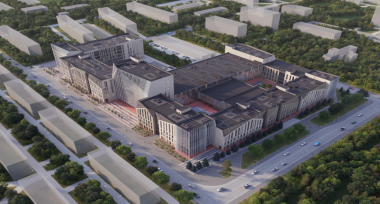
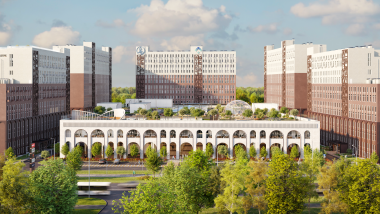
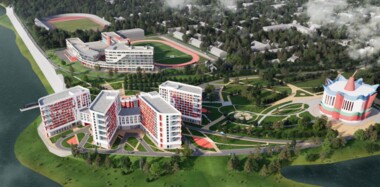
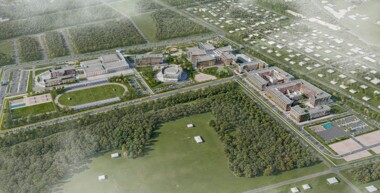
A campus is more than new academic buildings and dormitories: it is a new generation of spaces where education, science, technology and student life come together in a single environment.

Universities work with research organisations and technology companies, giving students the opportunity to take part in research and real projects while they are still studying.

Many campuses are designed to serve several universities, bringing their resources and opportunities together.

Laboratories and research centres, classrooms and coworking spaces, sports and public facilities, and comfortable student accommodation are located close to one another.

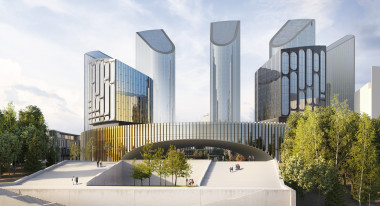
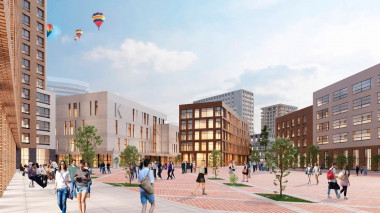
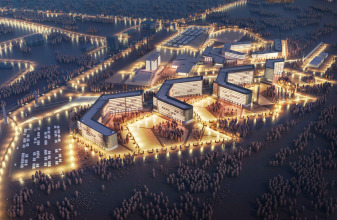
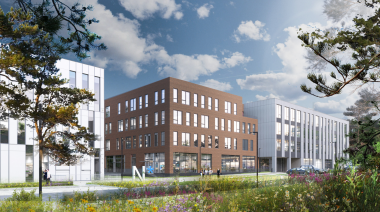
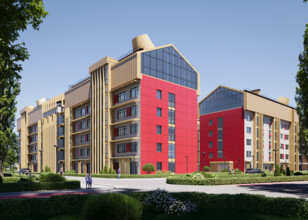
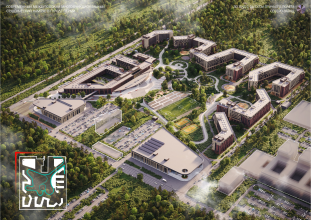
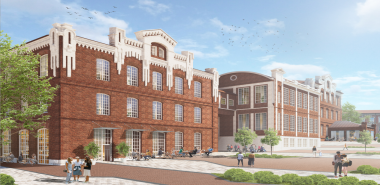
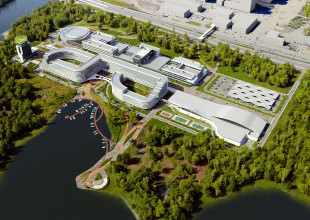
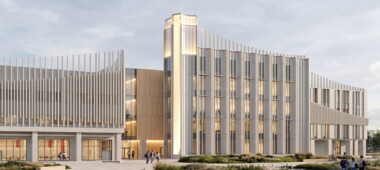
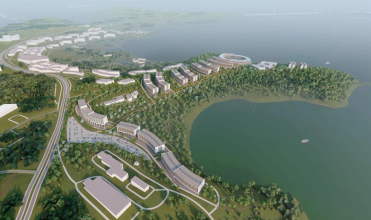
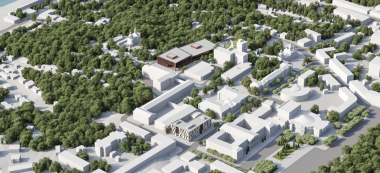
Russia is developing a network of modern campuses: 25 world-class student campuses are planned by 2030. New university spaces are already emerging across the country, from Kaliningrad to the Far East.

World-class campuses
Illustration of a student in a modern campus environment
Modern campuses — spaces for new opportunities.

Campuses

First wave

8 campuses
Kantiana Campus of Immanuel Kant Baltic Federal University
Kaliningrad Region

Kantiana Campus of Immanuel Kant Baltic Federal University

Campus of the Federal State Autonomous Educational Institution of Higher Education “Immanuel Kant Baltic Federal University” — “Kantiana Campus: the intellectual space of the future”

Campus website
NEIMARK IT Campus
Nizhny Novgorod Region

NEIMARK IT Campus

World-class inter-university IT campus in Nizhny Novgorod — phase 1

Campus website
Campus of the Future at Bauman Moscow State Technical University
Moscow

Campus of the Future at Bauman Moscow State Technical University

Campus of the Federal State Autonomous Educational Institution of Higher Education “Bauman Moscow State Technical University (National Research University)”

Campus website
Inter-university Campus of the Eurasian Research and Education Centre
Republic of Bashkortostan

Inter-university Campus of the Eurasian Research and Education Centre

Inter-university student campus of the world-class Eurasian Research and Education Centre

Campus website
UrFU Campus — a centre for digital transformation
Sverdlovsk Region

UrFU Campus — a centre for digital transformation

UrFU Campus — a centre for digital transformation

Campus website
World-class inter-university campus in the Chelyabinsk Region
Chelyabinsk Region

World-class inter-university campus in the Chelyabinsk Region

World-class inter-university campus in the Chelyabinsk Region

Campus website
Modern inter-university campus in Tomsk
Tomsk Region

Modern inter-university campus in Tomsk

Modern inter-university campus in the city of Tomsk

Profile on ProCampus
Novosibirsk: a world-class campus
Novosibirsk Region

Novosibirsk: a world-class campus

NOVOSIBIRSK: A WORLD-CLASS CAMPUS

Campus website

Second wave

9 campuses
Sirius Science and Technology Campus
Krasnodar Territory

Sirius Science and Technology Campus

Sirius Science and Technology Campus

Campus website
Inter-university campus in Perm
Perm Territory

Inter-university campus in Perm

Modern multifunctional inter-university student campus in the city of Perm

Campus website
Bolshaya Ivanovskaya Manufaktura Campus
Ivanovo Region

Bolshaya Ivanovskaya Manufaktura Campus

Bolshaya Ivanovskaya Manufaktura Research and Education Campus

Profile on ProCampus
Inter-university campus in Khabarovsk
Khabarovsk Territory

Inter-university campus in Khabarovsk

Inter-university campus in the city of Khabarovsk

Campus website
Inter-university campus in Tyumen
Tyumen Region

Inter-university campus in Tyumen

World-class inter-university campus in the city of Tyumen

Campus website
Modern university campus in the Novgorodskaya Special Economic Zone
Novgorod Region

Modern university campus in the Novgorodskaya Special Economic Zone

Modern university campus of the Novgorodskaya Special Economic Zone

Profile on ProCampus
Kuibyshev Inter-university Campus in the Samara Region
Samara Region

Kuibyshev Inter-university Campus in the Samara Region

Kuibyshev Inter-university Campus in the Samara Region

Profile on ProCampus

Third wave

8 campuses
Baikal World-class Inter-university Campus
Republic of Buryatia

Baikal World-class Inter-university Campus

Baikal World-class Inter-university Campus

Campus website
Phase 2 of the FEFU Campus on Russky Island
Primorye Territory

Phase 2 of the FEFU Campus on Russky Island

Phase 2 of the Far Eastern Federal University campus on Russky Island

Profile on ProCampus
Inter-university campus in Smolensk
Smolensk Region

Inter-university campus in Smolensk

Inter-university campus in the city of Smolensk

Profile on ProCampus
World-class campus at Moscow State University of Civil Engineering
Moscow

World-class campus at Moscow State University of Civil Engineering

World-class campus at Moscow State University of Civil Engineering (National Research University)

Campus website
STANKIN Moscow State University of Technology Research and Education Campus
Moscow

STANKIN Moscow State University of Technology Research and Education Campus

Multifunctional research and education campus of the Federal State Autonomous Educational Institution of Higher Education “STANKIN Moscow State University of Technology”

Profile on ProCampus

Frequently Asked Questions

Any questions left?

Email us — we can help.

Education in Russia

International applicants can apply to the same programs as Russian applicants. Russia offers training in 56 fields aligned with the International Standard Classification of Education. They range from medicine and agriculture to information security and nuclear technologies. The complete list of specialties available in Russia can be found here.

In Russia, there are several forms of education, each of which has its own characteristics and is suitable for different categories of students.

  • Full-time education involves regular attendance at classes at the educational institution five or six days a week. Students are deeply immersed in the educational process, but a busy schedule limits the ability to combine study with work.
  • Part-time education implies that students attend classes at the educational institution on certain days or in the evening, and the rest of the time they study independently, completing assignments and preparing for exams. This form requires high self-organization.
  • Part-time education is aimed at students who cannot regularly attend classes due to work or other circumstances. The student independently studies most of the educational material, and attendance at the university is limited to sessions several times a year for exams and tests. This form of education can be more affordable, but the lack of regular contact with teachers can complicate the process of mastering the material.

  • To enter under the quota of the Government of the Russian Federation To participate in the program, it is necessary to pass the competitive selection by submitting an application on the website education-in-russia.com
  • To enter the Olympiad. Prize-winners of academic competitions held independently by individual universities may also qualify for a quota. The list of competitions is available on the website.
  • To enter within the framework of the general competition. Available to citizens of countries with which Russia has concluded the corresponding agreement international agreement, as well as for those who have the status compatriot.

Tuition depends on the university, program and region.

Check the exact tuition fees on the program’s page on Study in Russia.

When planning your budget, allow for tuition, accommodation, daily expenses, medical insurance and the medical examination.

Cost of living in Russia

Minimum living costs per person in 202618 939 ₽ / monthRussia — national average

This estimate is based on the regional subsistence minimum per person. Your actual budget will depend on your circumstances.

Transport, communications and other expenses

Estimated monthly budget

≈ 27 939rubles per month
329US dollars per month

The estimate adds your transport, phone, internet and other entries to the regional baseline. The subsistence minimum already includes some daily expenses. Allow separately for tuition, accommodation and medical expenses.

Exchange rate used: 1 USD =₽You can edit the rate. It does not update automatically.

Separate medical expenses

First month and medical expenses: 46 939 ₽

Tuition, accommodation, travel and settling in are paid separately. Add them when planning your initial budget.

Dates depend on how you apply. Check your university’s or selection organizer’s calendar in advance.

University

June–October

Applications open in June and may run through October. Ask your university for application, entrance examination and enrollment dates.

Russian Government quota

September–December

Selection applications are usually accepted from September through December. Dates vary by country. Check with the local Rossotrudnichestvo office or on the portal Education in Russia.

Academic competitions

October–March

University competitions usually run from October through March. Check registration, competition and results dates on the organizer’s or university’s website.

At most Russian universities, international students study in Russian. Some universities also offer programs taught in English.

To learn Russian and prepare for university admission, international applicants can take Russian language courses or study at a university’s preparatory faculty.

When applying under a quota, there is an opportunity to study for free under such a program. This is an excellent chance to learn Russian and improve your specialized subjects before starting your main studies at the university.

Universities regularly organize adaptation events for foreign students During the academic year, universities hold a large number of various forums, conferences, round tables, master classes, and trainings—over 2,500 events aimed at socializing foreign students.

Admission procedure

International applicants follow the admission rules of the university they choose. Select a program and ask the admissions office about application deadlines, entrance exams and contract terms. University catalog

1. Apply for a fee-paying place

Specify the program and that you are applying for a fee-paying place. Attach the documents required by the university. Check translation, legalization and recognition requirements for your education documents in advance.

Apply through the university’s online system, in person or by mail. You can also use ruID or Gosuslugi if either is available to you. Follow the application deadlines for fee-paying places.

How to submit your documents →

2. Take the entrance exams

Fee-paying applicants still have to meet the entrance exam requirements. The university decides whether it requires Unified State Exam (EGE) results or its own exams. Eligibility to use EGE results depends on the level of study and the admission rules.

Ask the university about subjects, minimum scores, exam language, dates and registration. The university determines whether exams are held in person or online. Get the instructions and take all required exams by the deadlines.

3. Sign the contract and arrange payment

After you get your results, ask the admissions office whether you qualify for a fee-paying place and sign the study contract. Check the program, tuition fees, first payment, deadlines and payment details.

Arrange the contract and payment directly with the university. Ask what period the first payment must cover before enrollment and how to confirm it. Pay the agreed amount using the university’s payment details by the deadline and keep the receipt.

If payment is due before enrollment, make the required payment and meet the other admission conditions. Signing the contract and paying the fee do not by themselves guarantee a place.
4. Check your enrollment

Once you meet the admission conditions, check your account or the university’s official website. An official university order confirms enrollment. If it has not appeared, ask the admissions office about your contract and payment status.

All admission steps →

Consider universities outside the major cities too. Look at their laboratories, research projects and internship opportunities. Ask about dormitories, Russian language courses and support for settling in.

Foreign applicants can choose from two exam options. The first is the EGE, a standardized state exam in Russian, which Russian applicants take. It can be taken both in Russia and abroad. To find out if you can take the EGE in your country, contact the Russian consulate.

The second is the internal exam of the university, which can be in the format of a test, assignment, or interview. Different universities may have different exams. Usually, they are related to the direction you have chosen for study. For example, to study medicine, you may have to take an internal exam in biology.

Details about the exam itself: the time and place of its conduct, format, assignments, and literature for preparation — must be clarified at the university itself.

If you are applying under the quota of the Government of the Russian Federation, then information about the conduct of tests must be clarified on the website https://education-in-russia.com/.

You will generally need the following documents. Check the exact list on the website of the university you plan to apply to.

  • Passport
  • Education document
  • Documents confirming eligibility for tuition-free study
  • Certificate confirming you took a Russian language test (if available)
  • Documents proving individual achievements (if available)
  • Certificate of completion of a preparatory program (if available)
  • 3 × 4 photo

An education document issued abroad may need legalization to be used in Russia. Legalization confirms that it is authentic.

The legalization method depends on the country where the document was issued:

  • Consular legalization: the document is certified by the issuing country’s foreign affairs or education ministry and by the Russian consulate.
  • An apostille is a simplified form of legalization in which a special stamp is placed on the document or on an attached sheet. This method applies to documents from countries participating in the Convention. Obtain the apostille in the country where the document was issued.

Check the requirements on the NIC website. Documents from some countries do not require legalization.

Recognition of foreign education confirms your level of education, such as a bachelor’s or master’s degree, and determines your eligibility to pursue higher education in Russia.

How to have your education document recognized:

  1. Your education document is recognized automatically if it is covered by a mutual recognition agreement.
  2. If an agreement does not cover your document and it is not eligible for automatic recognition on another basis, you must complete the recognition procedure. You can apply to Rosaccreditation Agency or, when submitting your documents, to a university authorized to recognize them. Rosaccreditation Agency.

Recognition is governed by each country’s laws. A separate procedure is required if your document is not automatically recognized and you need recognition to continue your studies or work.

After studying in Russia, you can use your degree to apply for work abroad, subject to the requirements of the country and the employer.

After applying, track the application in your university account. The admissions office also publishes entrance exam and enrollment results.

Contact the admissions office through the university’s official channels if you need clarification.

Prepare the documents you need to cross the border. Different conditions apply to visa-free entry and entry with a visa.

Visa-free entry

If you do not need a student visa

  • Notify your university of your arrival date.
  • Complete an entry application in ruID.
  • Present your identity document at the border.
Entry with a visa

If you need a student visa

  • Get an invitation from your university.
  • Apply for a student visa at a Russian consular office in your country.
Check your passport: when you enter Russia, your passport must be valid for more than 1.5 years.

Moving to Russia

Before your trip, gather the documents and essentials you will need as soon as you arrive in Russia.

Important: keep your passport, education documents, enrollment order and money in your hand luggage. Save digital copies and university contacts on your phone.

International students who enter Russia to study for more than 90 calendar days are generally required to undergo a medical examination, fingerprint registration and photography.

Medical examination is due within 30 calendar days of entry.

Fingerprint registration and photography are due within 90 calendar days of entry.

These are separate procedures with different deadlines. A stay of more than 90 days does not give you 90 days to complete the medical examination.

Addresses of medical facilities and fingerprint registration centres
1. Medical examination

Medical examination is due within 30 calendar days of entry.

Use a medical facility authorized to examine foreign nationals in the relevant region.

2. Fingerprint registration and photography

After the medical examination, complete the mandatory state fingerprint registration and photography.

Fingerprint registration and photography are due within 90 calendar days of entry.

Fingerprint registration and photography are usually required only once. You will receive a document confirming completion.

Important information

From 1 September 2026, the medical examination is due within 30 calendar days of entry. The former 90-day deadline no longer applies to this procedure.

For longer stays, repeat the medical examination within 30 calendar days after one year has elapsed since your previous examination. If you completed it in the year before entry, ask your university’s international office whether you need another examination.

The law provides exceptions, including for citizens of Belarus. If you have a special immigration status, check the requirements with your university’s international office or the Ministry of Internal Affairs.

Federal Law No. 115-FZ, Article 5, paragraphs 13 and 18–20. Federal Law No. 162-FZ of 10 June 2026. Official information.

Failure to complete the medical examination, fingerprint registration or photography shortens the permitted period of temporary stay. If your stay is shortened, leave Russia before that period ends.

Gosuslugi is the official government portal for obtaining documents, statements and certificates, submitting applications and paying for public services.

What can students use it for?

  • Migration servicesBook appointments with the Ministry of Internal Affairs and submit available applications related to your stay in Russia.
  • Documents and certificatesView statements, information and documents in your account.
  • PaymentsPay state fees, fines and tax arrears.
  • Other servicesBook medical appointments, contact civil registry offices and access driving services when eligible.

Availability depends on your status, documents and region. Check the service page on Gosuslugi for its conditions.

How do I get started?

First obtain a SNILS number, then create and verify your account.

Get a SNILS number

Foreign nationals need a SNILS, the insurance number for an individual personal account, to register a full account.

If you do not have a SNILS, ask a multifunctional centre (MFC) that serves foreign nationals whether you can apply there. Bring your ID and check translation requirements and the full document list before visiting.

Create an account

On Gosuslugi, enter your surname, given name and patronymic (if applicable), your email and your Russian phone number if you have one. Verify your contact details and set a password.

Add your documents

Enter your SNILS and ID details in your account. The information will be checked against government records.

Verify your identity

Verify your identity to gain full access to eligible online services. Visit a Gosuslugi service centre in person, or check whether verification through a Russian bank or with an electronic signature is available to you.

Important: after you arrive, obtain a SNILS, create a Gosuslugi account and verify your identity. You can then use eligible digital government services.
What is an MFC and how can it help?

An MFC is a multifunctional centre for state and municipal services, also known as My Documents. It offers a range of services in person.

An MFC may help foreign nationals obtain a SNILS, register on Gosuslugi and verify their account. Services and eligibility vary by centre.

Before visiting, check whether the centre offers the service, whether you need an appointment and what to bring. Account verification normally requires a passport and SNILS. Ask if your passport needs a translation.

Ask your university’s international office for a suitable MFC or find a service centre on Gosuslugi.

The Gosuslugi ruID app

ruID is a separate mobile app designed for foreign nationals coming to Russia.

You can submit an entry application in the app. After crossing the border and verifying your Gosuslugi account, you can use the QR code generated by the app. Follow its instructions and check current requirements before travelling.

The app supports several languages, including Russian, English, Armenian, Kazakh, Kyrgyz, Tajik and Uzbek.

Set aside money for your first month of living expenses, accommodation, travel and settling in. Budget separately for tuition, medical insurance and the medical examination.

The amount depends on the region and your needs. Check tuition and dormitory payment terms with the university before arrival.

Calculate your monthly budget and initial medical expenses

Foreign students who study full-time at a university with state accreditation can work in Russia without permits during their free time. It is necessary to provide the employer with a certificate confirming education at the university.

If a student studies part-time or part-time, they can also work, but first they need to obtain a work permit or patent.

Most Russian universities have special career centers that help students with work. Each university cooperates with organizations that provide internships or even open vacancies.

Information about graduate employment opportunities can also be viewed in the university card in the "Graduate Employment" tab.

Educational process

If you study at a state university on a budgetary basis, you are given free textbooks and teaching aids for the entire period of study. In addition, you have access to library resources and other educational databases.

If you are studying subjects or courses beyond the standard curriculum, study materials are provided according to the rules of your university.

Most Russian universities offer dormitory places to international students. Each university sets its own conditions and application procedure. If you were admitted under the Russian Government quota, the university must provide a place.

Contact your university before arrival

Once enrolled, contact the international office. Ask how to apply for housing and follow the instructions. Find out when you can move in, what it costs and how to pay.

Prepare your documents

You will usually need a passport with a Russian translation and a copy of or extract from your enrollment order. The order may state that you have been assigned a dormitory place. The university may also request medical documents, photographs and proof of payment. Ask for the full list before travelling.

Find out what to do if there are no places

Ask if you can join a waiting list or get temporary housing, and whether the university helps students find private accommodation. Find out when you will get an update so you can plan where to stay on arrival.

Ask about migration registration

If you will rent privately or stay with relatives, notify the international office in advance. Before arranging to stay with relatives, check that they are entitled and willing to act as your host for migration registration. Ask how to register at your actual address, which documents are required and when to submit them.

International students in Russia may receive scholarships to help with their expenses and encourage academic achievement.

Amounts vary by institution. Ask your institution about types of support, amounts and eligibility.

Main types of scholarships and financial support:

Academic scholarship

Awarded for academic achievement to students in state-funded places. Some universities award it to first-year students to encourage them. Students under the Russian Government quota receive a scholarship regardless of grades.

Social support

International students facing unexpected financial hardship can ask the relevant university office for help. Check whether support is available and what conditions apply.

Stipends for doctoral students, medical residents and assistant interns

These stipends are available to students in full-time programs funded by the federal budget.

Scholarships from the President and Government of the Russian Federation

These scholarships reward outstanding achievements in study and research. Applicants must pass a university selection process. International students at Russian universities can compete on the same terms.

Support for fee-paying students

International students who pay tuition may qualify for:

  • Tuition discounts for high academic achievement, offered by the university.
  • Named scholarships from the Government or university and grants from private foundations or partner companies. Eligibility does not depend on state funding. Details are available at: https://стипендиатроссии.рф/personal
  • Scholarships from the sponsoring company or government that sent the student under a targeted training contract.

For foreign students in Russia, the same rules for taking and retaking exams apply as for Russian students. Each student has the right to retake the exam twice, unless otherwise provided by the university's regulatory acts. Upon graduation, it is necessary to pass the final certification, which usually consists of taking the state exam and defending the graduation qualification paper.

A double-degree program is a joint program run by two or more partner universities.

Students complete parts of the program at partner universities and receive education documents on successful completion under the terms of the joint program.

These programs give students access to teaching, research and facilities at multiple universities.

Where to complete the procedures

Choose a procedure. Contact the facility to check its hours and whether you need an appointment.

The addresses are shown as published in Russian. You can copy them into a map search.

Medical examination

Moscow
City Outpatient Clinic No. 180г. Москва, Уваровский пер., д. 4By appointment for foreign nationals, including students, who have entered for non-work purposes for more than 90 days.Official information
Children’s City Outpatient Clinic No. 131г. Москва, ул. Раменки, д. 27Medical examinations for foreign nationals staying more than 90 days. Appointment required.Official information
Children’s City Outpatient Clinic No. 118г. Москва, ул. Куликовская, д. 1БThe official website says that appointments are temporarily suspended. Check before visiting.Official information
Use a medical facility authorized to examine foreign nationals in the relevant region.

Fingerprint registration and photography

The directory lists facilities of the Ministry of Internal Affairs’ passport and visa service (PVS) and the Sakharovo migration centre. It does not cover all Ministry offices. You can also use a Ministry migration office. Before visiting, check whether it serves international students and whether you need an appointment.

PVS contact centre: 8 (800) 200-52-09

PVS facilities and services · Fingerprinting procedure

Choose a region to see addresses.

1961 Hague Convention: countries

Participation in the Convention does not mean your document requires an apostille. Check with the National Information Centre (NIC) whether it is exempt from legalization and whether the Convention applies with Russia. Official information.

Official HCCH status table: entry into force, objections and reservations →

Countries listed in the HCCH status table

A

  • Australia
  • Austria
  • Azerbaijan
  • Albania
  • Algeria
  • Andorra
  • Antigua and Barbuda
  • Argentina
  • Armenia

B

  • Bahamas
  • Bangladesh
  • Barbados
  • Bahrain
  • Belarus
  • Belize
  • Belgium
  • Bolivia
  • Bosnia and Herzegovina
  • Botswana
  • Brazil
  • Brunei Darussalam
  • Burundi

C

  • Cape Verde
  • Canada
  • Cyprus
  • China (including Hong Kong, Macao and mainland China)
  • Colombia
  • Costa Rica
  • Croatia
  • Chile

D

  • Denmark
  • Dominica
  • Dominican Republic

E

  • El Salvador
  • Ecuador
  • Eswatini (formerly Swaziland)
  • Estonia

F

  • Fiji
  • Finland
  • France

G

  • Guyana
  • Guatemala
  • Germany
  • Grenada
  • Greece
  • Georgia

H

  • Hungary
  • Honduras

I

  • Israel
  • India
  • Indonesia
  • Ireland
  • Iceland
  • Italy

J

  • Jamaica
  • Japan

K

  • Kazakhstan
  • Kyrgyzstan

L

  • Latvia
  • Lesotho
  • Liberia
  • Lithuania
  • Liechtenstein
  • Luxembourg

M

  • Mauritius
  • Malawi
  • Malta
  • Morocco
  • Marshall Islands
  • Mexico
  • Moldova
  • Monaco
  • Mongolia
  • Montenegro

N

  • Namibia
  • Netherlands
  • Nicaragua
  • New Zealand
  • Norway
  • North Macedonia

O

  • Oman

P

  • Pakistan
  • Palau
  • Panama
  • Paraguay
  • Peru
  • Poland
  • Portugal
  • Philippines

R

  • Russia
  • Rwanda
  • Romania

S

  • Spain
  • Samoa
  • San Marino
  • Sao Tome and Principe
  • Saudi Arabia
  • Seychelles
  • Senegal
  • St. Vincent and the Grenadines
  • St. Kitts and Nevis
  • St. Lucia
  • Serbia
  • Singapore
  • Slovakia
  • Slovenia
  • Suriname
  • Switzerland
  • Sweden
  • South Africa
  • South Korea

T

  • Tajikistan
  • Tonga
  • Trinidad and Tobago
  • Tunisia
  • Turkey

U

  • United Kingdom
  • USA
  • Uzbekistan
  • Ukraine
  • Uruguay

V

  • Vanuatu
  • Venezuela, Bolivarian Republic of
  • Vietnam

Thailand is listed in the HCCH table. The Convention enters into force there on 28 February 2027. Do not rely on the apostille procedure for Thailand before that date.

Checked on 15 October 2026 against the HCCH table of 30 June 2026. Verify current information and applicable agreements.

Education recognition agreements

Agreements cover specific education levels, document types and issue dates. Listing a country does not guarantee automatic recognition of every diploma. Check whether the agreement applies on the NIC website. Historical names follow the agreements.

  • Abkhazia — recognition of education and qualifications, 2017
  • Azerbaijan — recognition of education documents, 2002
  • Albania — recognition and equivalence of education documents, 2000
  • Algeria — USSR protocol on equivalence of education documents, 1969
  • Angola — recognition of education and qualifications, 2019
  • Armenia — recognition of education documents, 2001
  • Afghanistan — USSR protocol on equivalence of education documents, 1978
  • Bangladesh — USSR protocol on recognition of education documents, 1987
  • Belarus — recognition and equivalence of education documents, 1996
  • Bolivia — USSR protocol on equivalence of diplomas, 1971
  • Burkina Faso (Upper Volta in the treaty) — equivalence of education documents, 1976
  • Burundi — equivalence of diplomas and academic degrees, 1972
  • Hungary — recognition of education and qualifications, 2018
  • Venezuela, Bolivarian Republic of — recognition and equivalence of education documents, 2010
  • Vietnam — recognition of education documents, 2010
  • Ghana — USSR protocol on recognition of education documents, 1985
  • Guinea — USSR protocol on equivalence of diplomas, 1968
  • Guinea-Bissau — USSR protocol on equivalence of education documents, 1979
  • Zambia — USSR protocol on recognition of diplomas, 1973
  • India — USSR protocol on equivalence of education documents, 1987
  • Spain — USSR agreement on equivalence of education documents, 1990
  • Italy — recognition of education documents, 2009
  • Yemen (People’s Democratic Republic of Yemen, or South Yemen) — equivalence of education documents, 1981
  • Cape Verde — USSR protocol on equivalence of education documents, 1976
  • Cambodia — recognition of education and qualifications, 2019
  • Cameroon — USSR protocol on recognition and equivalence of education documents, 1989
  • Cyprus — recognition of education and qualifications, 2016
  • China — recognition of education documents, 1995
  • Colombia — USSR agreement on recognition of education documents, 1986
  • Cuba — recognition and equivalence of education documents, 2010
  • Laos — USSR protocol on equivalence of education documents, 1978
  • Mauritius — USSR protocol on equivalence of education documents, 1977
  • Mauritania — USSR protocol on equivalence of education documents, 1979
  • Madagascar — USSR protocol on equivalence of diplomas and certificates, 1973
  • Mali — USSR protocol on treating diplomas as equivalent, 1967
  • Malta — recognition of education and qualifications, 2016
  • Mozambique — USSR protocol on recognition of education documents, 1983
  • Moldova — recognition of education documents, 2003
  • Mongolia — recognition of education documents, 2003
  • Namibia — recognition and equivalence of education documents, 1998
  • Nepal — USSR protocol on equivalence of diplomas, 1970
  • Niger — USSR protocol on equivalence of education documents, 1975
  • Nigeria — USSR protocol on equivalence of diplomas and certificates, 1973
  • Nicaragua — recognition of education and qualifications, 2020
  • Pakistan — USSR protocol on equivalence of education documents, 1979
  • Peru — recognition and equivalence of education documents, 2012
  • Congo — USSR protocol on equivalence of diplomas, 1970
  • Rwanda — equivalence of diplomas and education certificates, 1972
  • Romania — recognition and equivalence of education documents, 1999
  • Sao Tome and Principe — USSR protocol on equivalence of education documents, 1982
  • North Macedonia (listed as the Republic of Macedonia) — recognition of education documents, 2012
  • Serbia — recognition and equivalence of education documents, 2013
  • Syria — USSR protocol on treating higher education certificates as equivalent, 1966
  • Slovakia — recognition of education and qualifications, 2019
  • Somalia — USSR protocol on equivalence of education documents, 1968
  • Sudan — USSR protocol on treating higher education certificates as equivalent, 1968
  • Suriname — USSR protocol on recognition of education documents, 1987
  • Sierra Leone — USSR protocol on recognition and equivalence of education documents, 1988
  • Turkmenistan — recognition of education documents, 2009
  • Uzbekistan — recognition of education and qualifications, 2019
  • Ukraine — recognition and equivalence of education documents, 2000
  • Finland — USSR protocol on recognition of higher education documents, 1979
  • France — recognition of education and qualifications, 2015
  • Central African Republic — equivalence of education documents, 1970
  • Chad — recognition and equivalence of education documents, 2000
  • Sri Lanka — USSR protocol on equivalence of education documents, 1982
  • Equatorial Guinea — USSR protocol on equivalence of education documents, 1985
  • Ethiopia — USSR protocol on recognition of education documents, 1978
  • Yugoslavia — USSR agreement on recognition of education documents, 1988
  • South Ossetia — recognition of education and qualifications, 2017
  • South Africa — recognition and equivalence of education documents, 2013

Multilateral agreements

The countries below are listed in the agreements. Check on the NIC website whether the agreement applies to your document and its date of issue.

CIS agreement on mutual recognition of higher and higher vocational education documents · 2013

  • Azerbaijan
  • Armenia
  • Belarus
  • Kazakhstan
  • Kyrgyzstan
  • Russia
  • Tajikistan
  • Ukraine

Agreement on general secondary, initial vocational and secondary vocational education · 2004

  • Azerbaijan
  • Armenia
  • Belarus
  • Georgia
  • Kazakhstan
  • Kyrgyzstan
  • Moldova
  • Russia
  • Tajikistan
  • Uzbekistan
  • Ukraine

Agreement on mutual recognition and equivalence of education documents, academic degrees and titles · 1998

  • Belarus
  • Kazakhstan
  • Kyrgyzstan
  • Russia
  • Tajikistan

Check the latest official information →

Universities that can recognize education independently

Universities may recognize documents for admission or professional activities at their own institution. Before applying, check the university’s current authority, procedure and requirements on its official website. The list below is for reference.

The universities’ original Russian names are shown so that you can find them in official sources.

  • Всероссийский государственный институт кинематографии им. С. А. Герасимова (ВГИК)
  • Московский государственный университет им. М. В. Ломоносова (МГУ)
  • Московский авиационный институт (МАИ)
  • Московский государственный институт международных отношений (МГИМО)
  • Национальный исследовательский Московский государственный строительный университет (НИУ МГСУ)
  • Московский государственный технический университет им. Н. Э. Баумана
  • Московский физико-технический институт (МФТИ)
  • Национальный исследовательский технологический университет «МИСиС»
  • Национальный исследовательский университет «Высшая школа экономики» (ВШЭ)
  • Национальный исследовательский университет «Московский институт электронной техники» (МИЭТ)
  • Национальный исследовательский университет «МЭИ»
  • Национальный исследовательский ядерный университет «МИФИ»
  • Российская академия народного хозяйства и государственной службы при Президенте РФ (РАНХиГС)
  • Российский государственный университет нефти и газа им. И. М. Губкина
  • Российский национальный исследовательский медицинский университет им. Н. И. Пирогова
  • Российский университет дружбы народов (РУДН)
  • Российский университет транспорта (РУТ/МИИТ)
  • Финансовый университет при Правительстве РФ
  • Всероссийская академия внешней торговли
  • Санкт-Петербургский государственный университет
  • Санкт-Петербургский государственный морской технический университет
  • Санкт-Петербургский политехнический университет Петра Великого
  • Национальный исследовательский университет ИТМО
  • Санкт-Петербургский горный университет
  • Северный (Арктический) федеральный университет им. М. В. Ломоносова (САФУ)
  • Белгородский государственный национальный исследовательский университет (НИУ БелГУ)
  • Дальневосточный федеральный университет (ДВФУ)
  • Уральский федеральный университет им. первого Президента России Б. Н. Ельцина (УрФУ)
  • Иркутский национальный исследовательский технический университет (ИРНИТУ)
  • Казанский (Приволжский) федеральный университет (КФУ)
  • Казанский национальный исследовательский технологический университет (КНИТУ)
  • Казанский национальный исследовательский технический университет им. А. Н. Туполева — КАИ
  • Балтийский федеральный университет им. Иммануила Канта
  • Сибирский федеральный университет (СФУ)
  • Национальный исследовательский Нижегородский государственный университет им. Н. И. Лобачевского
  • Новосибирский национальный исследовательский государственный университет (НГУ)
  • Пермский государственный национальный исследовательский университет
  • Пермский национальный исследовательский политехнический университет
  • Южный федеральный университет (ЮФУ)
  • Самарский национальный исследовательский университет им. академика С. П. Королева
  • Национальный исследовательский Мордовский государственный университет им. Н. П. Огарева
  • Саратовский национальный исследовательский государственный университет им. Н. Г. Чернышевского
  • Крымский федеральный университет им. В. И. Вернадского
  • Северо-Кавказский федеральный университет
  • Национальный исследовательский Томский государственный университет
  • Национальный исследовательский Томский политехнический университет
  • Южно-Уральский государственный университет
  • Северо-Восточный федеральный университет им. М. К. Аммосова

Check the latest official information →

Hello!Shall we talk?Ask questions!I will answer any question!Any questions?Ask!Any questions left?Ready to help!I will be glad to help!Click on me!
Study programs

Fields of study

Fields found: 172

  1. 01.03.01Mathematics
  2. 01.03.02Applied Mathematics and Informatics
  3. 01.03.03Mechanics and Mathematical Modeling
  4. 01.03.04Applied Mathematics
  5. 01.03.05Statistics
  6. 02.03.01Mathematics and Computer Science
  7. 02.03.02Fundamental Informatics and Information Technologies
  8. 02.03.03Mathematical Support and Administration of Information Systems
  9. 03.03.01Applied Mathematics and Physics
  10. 03.03.02Physics
  11. 03.03.03Radiophysics
  12. 04.03.01Chemistry
  13. 04.03.02Chemistry, Physics and Mechanics of Materials
  14. 05.03.01Geology
  15. 05.03.02Geography
  16. 05.03.03Cartography and Geoinformatics
  17. 05.03.04Hydrometeorology
  18. 05.03.05Applied Hydrometeorology
  19. 05.03.06Ecology and Environmental Management
  20. 06.03.01Biology
  21. 06.03.02Soil Science
  22. 07.03.01Architecture
  23. 07.03.02Reconstruction and Restoration of Architectural Heritage
  24. 07.03.03Architectural Environment Design
  25. 07.03.04Urban Planning
  26. 08.03.01Construction
  27. 09.03.01Informatics and Computer Engineering
  28. 09.03.02Information Systems and Technologies
  29. 09.03.03Applied Informatics
  30. 09.03.04Software Engineering
  31. 10.03.01Information Security
  32. 11.03.01Radio Engineering
  33. 11.03.02Infocommunication Technologies and Communication Systems
  34. 11.03.03Design and Technology of Electronic Devices
  35. 11.03.04Electronics and Nanoelectronics
  36. 12.03.01Instrument Engineering
  37. 12.03.02Optical Engineering
  38. 12.03.03Photonics and Optoinformatics
  39. 12.03.04Biotechnical Systems and Technologies
  40. 12.03.05Laser Engineering and Laser Technologies
  41. 13.03.01Thermal Power Engineering and Heat Engineering
  42. 13.03.02Electrical Power Engineering and Electrical Engineering
  43. 13.03.03Power Engineering Machinery
  44. 14.03.01Nuclear Power Engineering and Thermal Physics
  45. 14.03.02Nuclear Physics and Technologies
  46. 15.03.01Mechanical Engineering
  47. 15.03.02Technological Machines and Equipment
  48. 15.03.03Applied Mechanics
  49. 15.03.04Automation of Technological Processes and Production
  50. 15.03.05Design and Technological Support of Machine-Building Production
  51. 15.03.06Mechatronics and Robotics
  52. 16.03.01Technical Physics
  53. 16.03.02High-Tech Plasma and Power Engineering Installations
  54. 16.03.03Refrigeration, Cryogenic Engineering and Life Support Systems
  55. 18.03.01Chemical Technology
  56. 18.03.02Energy- and Resource-Saving Processes in Chemical Technology, Petrochemistry and Biotechnology
  57. 19.03.01Biotechnology
  58. 19.03.02Food Products from Plant Raw Materials
  59. 19.03.03Food Products of Animal Origin
  60. 19.03.04Food Product Technology and Catering Management
  61. 20.03.01Technosphere Safety
  62. 20.03.02Environmental Engineering and Water Use
  63. 21.03.01Oil and Gas Engineering
  64. 21.03.02Land Management and Cadastres
  65. 21.03.03Geodesy and Remote Sensing
  66. 22.03.01Materials Science and Materials Technology
  67. 22.03.02Metallurgy
  68. 23.03.01Transport Process Technology
  69. 23.03.02Ground Transport and Technological Complexes
  70. 23.03.03Operation of Transport and Technological Machines and Complexes
  71. 24.03.01Rocket Systems and Astronautics
  72. 24.03.03Ballistics and Hydroaerodynamics
  73. 24.03.04Aircraft Engineering
  74. 24.03.05Aircraft Engines
  75. 25.03.01Technical operation of aircraft and engines
  76. 25.03.03Aeronautical Navigation
  77. 25.03.04Airport Operations and Flight Support for Aircraft
  78. 26.03.02Shipbuilding, Ocean Engineering and Systems Engineering of Marine Infrastructure Facilities
  79. 26.03.03Waterways, ports and hydraulic structures
  80. 27.03.01Standardization and metrology
  81. 27.03.02Quality management
  82. 27.03.03Systems analysis and management
  83. 27.03.04Management in technical systems
  84. 27.03.05Innovation studies
  85. 28.03.01Nanotechnology and microsystem engineering
  86. 28.03.02Nanoengineering
  87. 28.03.03Nanomaterials
  88. 29.03.01Technology of Light Industry Products
  89. 29.03.02Technology and Design of Textile Products
  90. 29.03.03Technology of Printing and Packaging Production
  91. 29.03.04Technology of Artistic Materials Processing
  92. 29.03.05Design of Light Industry Products
  93. 34.03.01Nursing
  94. 35.03.01Forestry
  95. 35.03.02Technology of Logging and Woodworking Production
  96. 35.03.03Agrochemistry and Agricultural Soil Science
  97. 35.03.04Agronomy
  98. 35.03.05Horticulture
  99. 35.03.06Agricultural Engineering
  100. 35.03.07Technology of Production and Processing of Agricultural Products
  101. 35.03.08Aquatic Bioresources and Aquaculture
  102. 35.03.10Landscape Architecture
  103. 35.03.11Land Reclamation and Irrigation
  104. 36.03.01Veterinary and Sanitary Examination
  105. 36.03.02Animal Science
  106. 37.03.01Psychology
  107. 37.03.02Conflict Studies
  108. 38.03.01Economics
  109. 38.03.02Management
  110. 38.03.03Human Resource Management
  111. 38.03.04State and Municipal Administration
  112. 38.03.05Business Informatics
  113. 38.03.06Trade
  114. 38.03.07Commodity Science
  115. 39.03.01Sociology
  116. 39.03.02Social work
  117. 39.03.03Organization of Work with Youth
  118. 40.03.01Law
  119. 41.03.01Foreign Regional Studies
  120. 41.03.02Regional Studies of Russia
  121. 41.03.04Political Science
  122. 41.03.05International Relations
  123. 41.03.06Public Policy and Social Sciences
  124. 42.03.01Advertising and Public Relations
  125. 42.03.02Journalism
  126. 42.03.03Publishing
  127. 42.03.04Television
  128. 42.03.05Media Communications
  129. 43.03.01Services
  130. 43.03.02Tourism
  131. 43.03.03Hospitality Management
  132. 44.03.01Teacher Education
  133. 44.03.02Psychological and Pedagogical Education
  134. 44.03.03Special (Defectological) Education
  135. 44.03.04Vocational Training (by sectors)
  136. 44.03.05Pedagogical Education (with two training profiles)
  137. 45.03.01Philology
  138. 45.03.02Linguistics
  139. 45.03.03Fundamental and Applied Linguistics
  140. 45.03.04Intellectual Systems in the Humanities
  141. 46.03.01History
  142. 46.03.02Records Management and Archival Studies
  143. 46.03.03Anthropology and Ethnology
  144. 47.03.01Philosophy
  145. 47.03.03Religious Studies
  146. 48.03.01Theology
  147. 49.03.01Physical Education
  148. 49.03.02Physical Education for Persons with Health Impairments (Adapted Physical Education)
  149. 49.03.03Recreation and Sports and Health Tourism
  150. 49.03.04Sport
  151. 50.03.01Arts and Humanities
  152. 50.03.02Fine Arts
  153. 50.03.03Art History
  154. 50.03.04Theory and History of the Arts
  155. 51.03.01Cultural Studies
  156. 51.03.02Folk Artistic Culture
  157. 51.03.03Socio-Cultural Activities
  158. 51.03.04Museology and Protection of Cultural and Natural Heritage Sites
  159. 51.03.05Directing Theatrical Performances and Festivals
  160. 51.03.06Library and Information Activities
  161. 52.03.01Choreographic Art
  162. 53.03.01Musical Variety Art
  163. 53.03.02Musical Instrumental Art
  164. 53.03.03Vocal Art
  165. 53.03.04Folk Singing Art
  166. 53.03.05Conducting
  167. 53.03.06Musicology and Applied Music Art
  168. 54.03.01Design
  169. 54.03.02Decorative and Applied Arts and Folk Crafts
  170. 54.03.03Costume and Textile Art
  171. 54.03.04Restoration
  172. 58.03.01Oriental and African Studies
Priority «2030»

participating universities

106universities

  1. A.A. Kadyrov Chechen State University
  2. A.Ya. Vaganova Academy of Russian Ballet
  3. Admiral G.I. Nevelsky Maritime State University
  4. Adyghe State University
  5. All-Russian State University of Cinematography named after S.A. Gerasimov
  6. Altai State University
  7. Arctic State Institute of Culture and Arts
  8. Bashkir State Agrarian University
  9. Bauman Moscow State Technical University (National Research University)
  10. Belgorod State Agrarian University named after V.Ya. Gorin
  11. Belgorod State National Research University
  12. Belgorod State Technological University named after V.G. Shukhov
  13. Blagoveshchensk State Pedagogical University
  14. Blagoveshchensk State Pedagogical University
  15. Boris Shchukin Theater Institute at the State Academic Theater named after Evgeny Vakhtangov
  16. Buryat State Agricultural Academy named after V.R. Filippov
  17. Don State Technical University
  18. Dorzhi Banzarov Buryat State University
  19. East Siberian State University of Technology and Management
  20. Far Eastern Federal University
  21. Far Eastern State Academy of Physical Culture
  22. Far Eastern State Agrarian University
  23. Far Eastern State University of Communications
  24. Federal State Budgetary Educational Institution of Higher Education "Siberian State Medical University" of the Ministry of Health of the Russian Federation
  25. Federal State Budgetary Educational Institution of Higher Education “Bashkir State Medical University” of the Ministry of Health of the Russian Federation
  26. First St. Petersburg State Medical University named after Academician I.P. Pavlov
  27. I.M. Sechenov First Moscow State Medical University of the Ministry of Health of the Russian Federation (Sechenov University)
  28. Immanuel Kant Baltic Federal University
  29. Irkutsk National Research Technical University
  30. Kabardino-Balkarian State University named after H.M. Berbekov
  31. Kalmyk State University named after B.B. Gorodovikov
  32. Kamchatka State University named after Vitus Bering
  33. Kazan (Volga) Federal University
  34. Kazan National Research Technical University named after A.N. Tupolev-KAI
  35. Kazan National Research Technological University
  36. Kazan State Medical University
  37. Kuban State Agrarian University named after I.T. Trubilin
  38. Kutafin Moscow State Law University (MSAL)
  39. Lobachevsky National Research Nizhny Novgorod State University
  40. Mari State University
  41. MIREA - Russian Technological University
  42. MISIS University of Science and Technology
  43. Moscow Aviation Institute (National Research University)
  44. Moscow Institute of Physics and Technology (National Research University)
  45. Moscow Polytechnic University
  46. Moscow State Institute of International Relations (University) of the Ministry of Foreign Affairs of the Russian Federation
  47. Moscow State Technological University «STANKIN»
  48. Moscow State University of Geodesy and Cartography
  49. National Research Moscow State University of Civil Engineering
  50. National Research Nuclear University MEPhI
  51. National Research Ogarev Mordovia State University
  52. National Research University "MEI"
  53. National Research University "Moscow Institute of Electronic Technology"
  54. National Research University Higher School of Economics
  55. National Research University ITMO
  56. Nizhny Novgorod State Technical University named after R.E. Alekseev
  57. North-Caucasus Federal University
  58. Novosibirsk National Research State University
  59. Novosibirsk State Technical University
  60. Pacific State Medical University
  61. Pacific State University
  62. Perm National Research Polytechnic University
  63. Peter the Great St. Petersburg Polytechnic University
  64. Plekhanov Russian University of Economics
  65. Priamurye State University named after Sholom Aleichem
  66. Russian Chemical and Technological University named after D.I. Mendeleev
  67. Russian Institute of Theater Arts – GITIS
  68. Russian National Research Medical University named after N.I. Pirogov
  69. Russian State Agrarian University - K.A. Timiryazev MSHA
  70. Russian University of Medicine
  71. Russian University of Transport
  72. S. M. Kirov Military Medical Academy
  73. Saint Petersburg State Maritime Technical University
  74. Sakhalin State University
  75. Samara National Research University named after Academician S.P. Korolev
  76. Samara State Medical University
  77. Saratov National Research State University named after N.G. Chernyshevsky
  78. Saratov State University of Genetics, Biotechnology and Engineering named after N. I. Vavilov
  79. Sevastopol State University
  80. Siberian Federal University
  81. South Ural State University (National Research University)
  82. Southern Federal University
  83. Southern Russian State Polytechnic University (NPI) named after M.I. Platov
  84. St. Petersburg State Electrotechnical University "LETI" named after V.I. Ulyanov (Lenin)
  85. St. Petersburg State University of Communications of Emperor Alexander I
  86. St. Petersburg State University of Industrial Technologies and Design
  87. State Autonomous Educational Institution of Higher Education of the City of Moscow "Moscow City Pedagogical University"
  88. Stavropol State Agrarian University
  89. Togliatti State University
  90. Tomsk Polytechnic University
  91. Tomsk State University
  92. Tomsk State University of Architecture and Construction
  93. Tomsk State University of Control Systems and Radioelectronics
  94. Tula State University
  95. Tyumen State University
  96. Ufa State Petroleum Technical University
  97. Ufa University of Science and Technology
  98. Ulyanovsk State University
  99. Ural Federal University named after the First President of Russia B. N. Yeltsin
  100. Ural State Medical University
  101. Volga Research Medical University
  102. Volgograd State Technical University
  103. Voronezh State University
  104. Vyatka State University
  105. Yaroslavl State Technical University
  106. Zabaykalsky State University