Education

Education

Higher education in Russia

Higher education in Russia is an investment in your future. Graduates of Russian universities are valued worldwide. You will be able to obtain quality knowledge that will help you enter the labor market and achieve success in your work.

751
universities

Promising fields of study

Information technology
Artificial intelligence
Engineering
Robotics
Biotechnology
Agriculture

Recognition of Russian Education

74
countries recognize Russian diplomas thanks to international agreements
2
The Russian Federation is a party to two international conventions on the recognition of qualifications
40
Russian universities are included in QS World University Rankings
81
a Russian university is included in the rating Times Higher Education

Learning levels

Undergraduate

Applied training in a broad field, building core competencies for starting professional work.

Features: The classic entry point into higher education after school. It focuses on practice and the study of general scientific and specialized disciplines that help students adapt quickly to labor market requirements.

Duration of study: 3–4 years.

Specialty

An integrated program (bachelor's + master's level) that awards a qualification in a specific specialty for solving complex professional tasks.

Features: Allows students to gain fundamental knowledge in engineering, medicine, economics, and other priority fields without an intermediate master's level.

Duration of study: 5–6 years (depending on the field).

Master's degree

Development of advanced analytical, research, and expert competencies in the chosen field.

Features: The second stage of higher education, available after a bachelor's or specialist degree. It involves specialization in a narrow field, research training, or obtaining a new qualification.

Duration of study: 2–3 years.

Postgraduate (adjuncture)

Training of highly qualified research and teaching staff for independent research and academic teaching.

Features: A key stage for entering advanced research. It includes candidate exams, dissertation writing, and ends with the award of an academic degree (PhD or Candidate of Sciences). Admission is possible after a specialist or master’s degree.

Duration of study: 3–4 years (full-time).

Ordination

Clinical training of specialist doctors in a specific narrow profile.

Features: A specialized level of postgraduate medical education. It is delivered in leading clinics and medical centers under the supervision of practicing physician mentors. Admission is strictly after a specialist degree in the relevant field.

Duration of study: From 2 to 5 years (depending on the medical specialty).

Internship assistant

Advanced creative and pedagogical training in the arts, developing readiness for solo, production, concert, and teaching activities.

Features: A unique program for musicians, directors, artists, and choreographers. It involves intensive individual work on performance skills and the creation of creative projects under the guidance of recognized masters. Available after a specialist or master's degree.

Duration of study: 2 years.

How to get into a Russian university for free

Receipts under the Government of the Russian Federation quota

To get into the quota of the Government of the Russian Federation and study for free, you need to go through the following stages:

  1. Register on the portal «Education in Russia»
  2. Receive an invitation to the selection in your country and pass it
  3. Find yourself on the website in the list of candidates for the second stage of selection
  4. Wait for an email about opening access to your personal account on the portal
  5. Track the application status in your personal account on the portal

Admission to the Olympiads

In Russian universities, competitions are regularly held, the winners and prize-winners of which can be enrolled in the university without exams, study for free or at a discount

Information about such competitions can be found on the pages of universities or on the website of olympiads for foreigners

  1. International Olympiad of the Financial University for Youth
  2. Open Olympiad of RUDN Foreign Citizens
  3. International Youth Olympiad of HSE
  4. International MIPT Olympiad Phystech.International
  5. Olympiad "Lomonosov" of Moscow State University named after M.V. Lomonosov
  6. Open Doors

You can familiarize yourself with the full list of olympiads for students entering university here.

Students applying for a master's degree can also participate in the Olympiads. List of Olympiads for them here.

Admission under the general competition

Foreign citizens may apply to Russian universities for tuition-free, state-funded study if admission is:

  1. based on citizenship rights;
  2. provided for by an international agreement between Russia and the applicant’s country of citizenship;
  3. the foreign citizen has compatriot status.

By right of citizenship

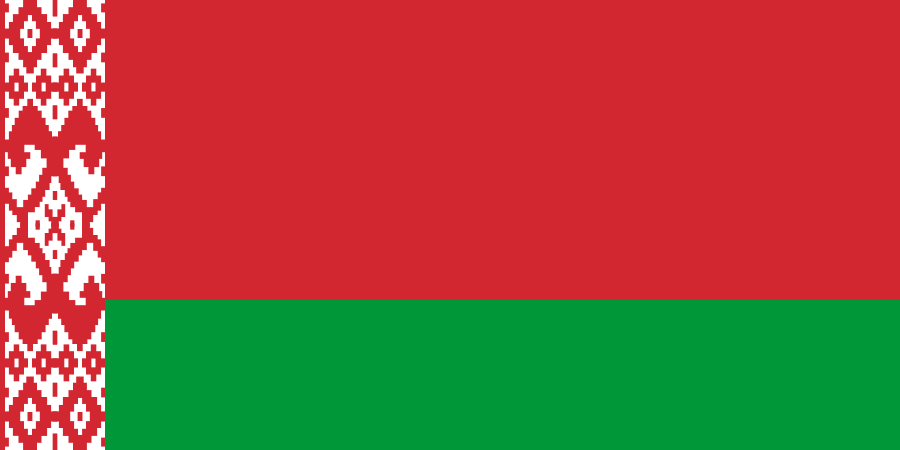
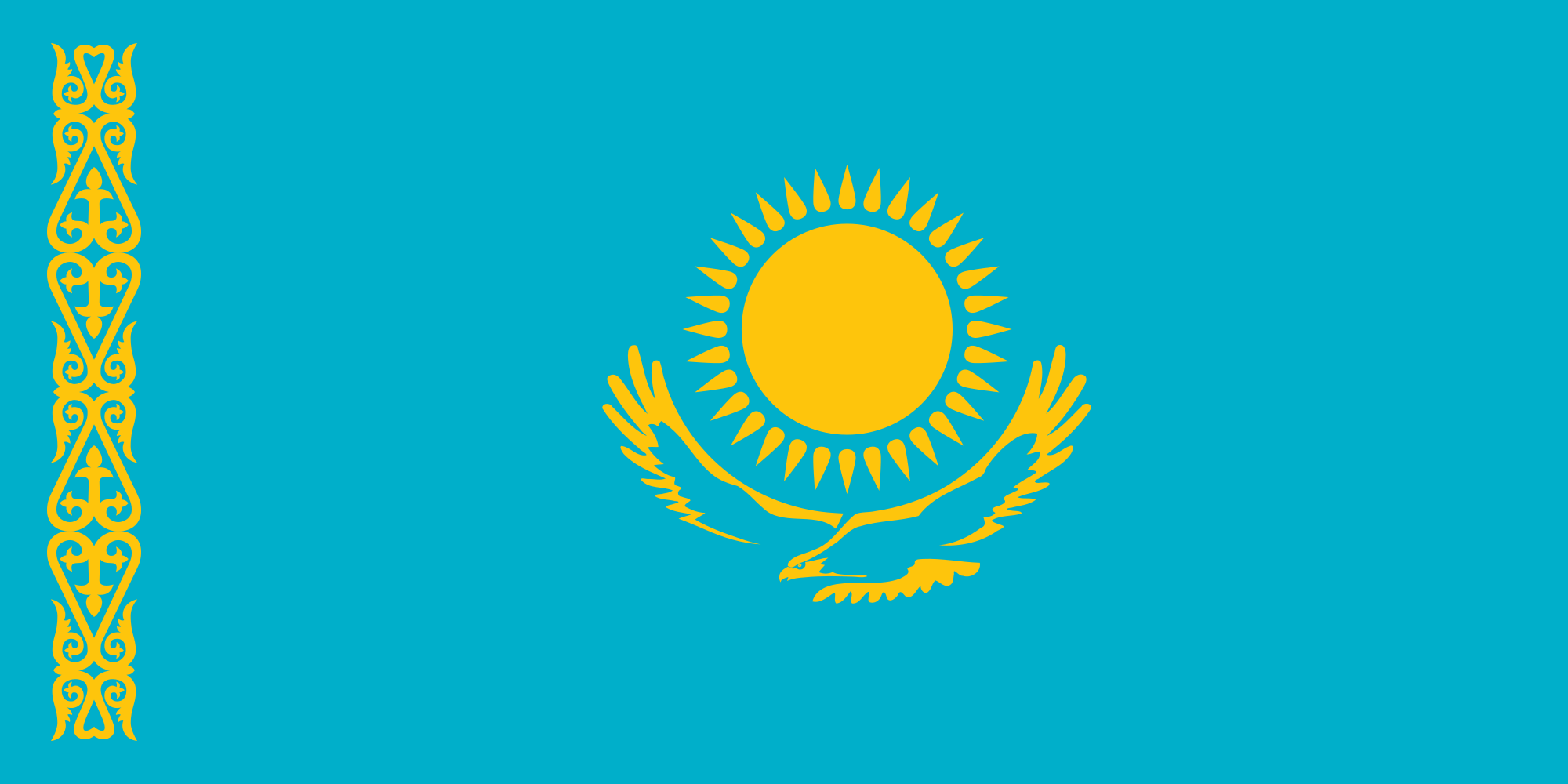
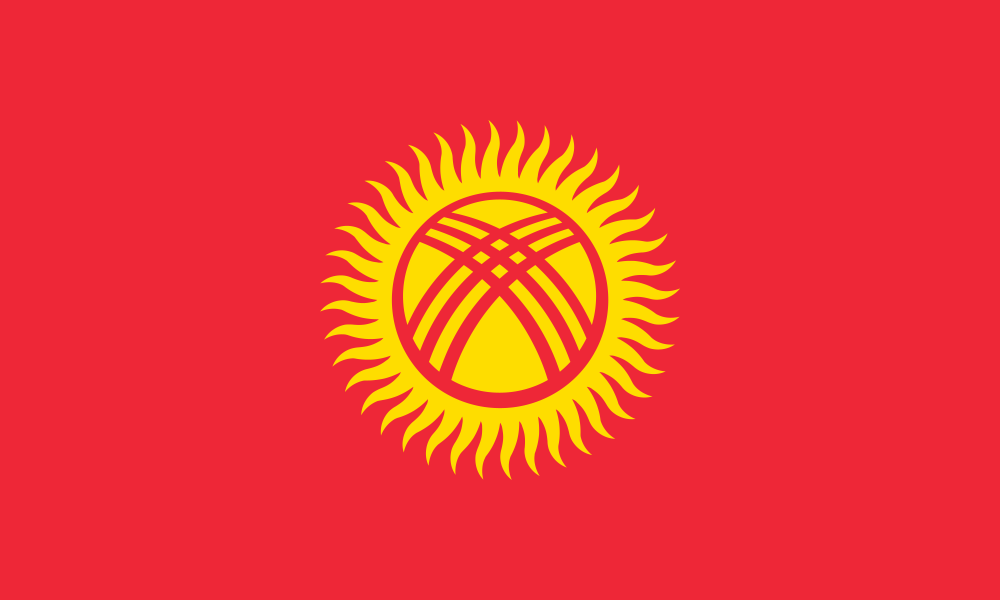
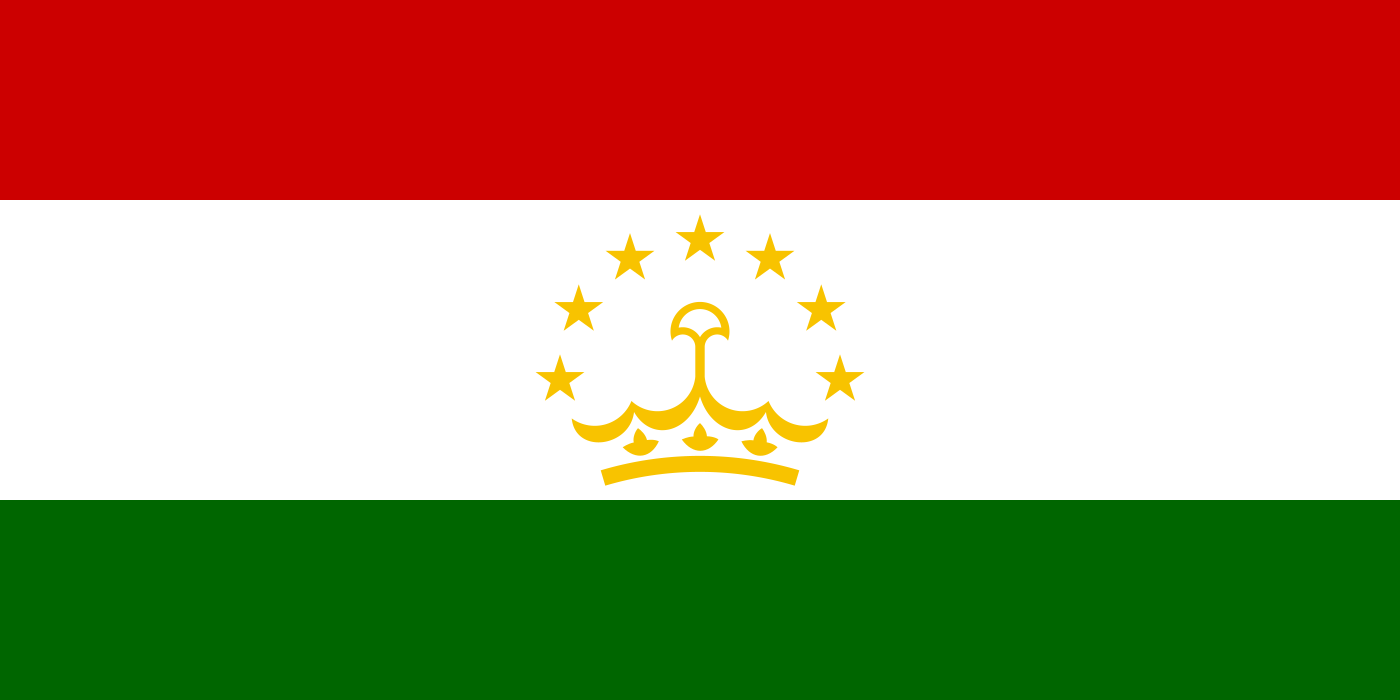
This condition applies if you are a citizen of one of the following countries:

  • Belarus
  • Kazakhstan
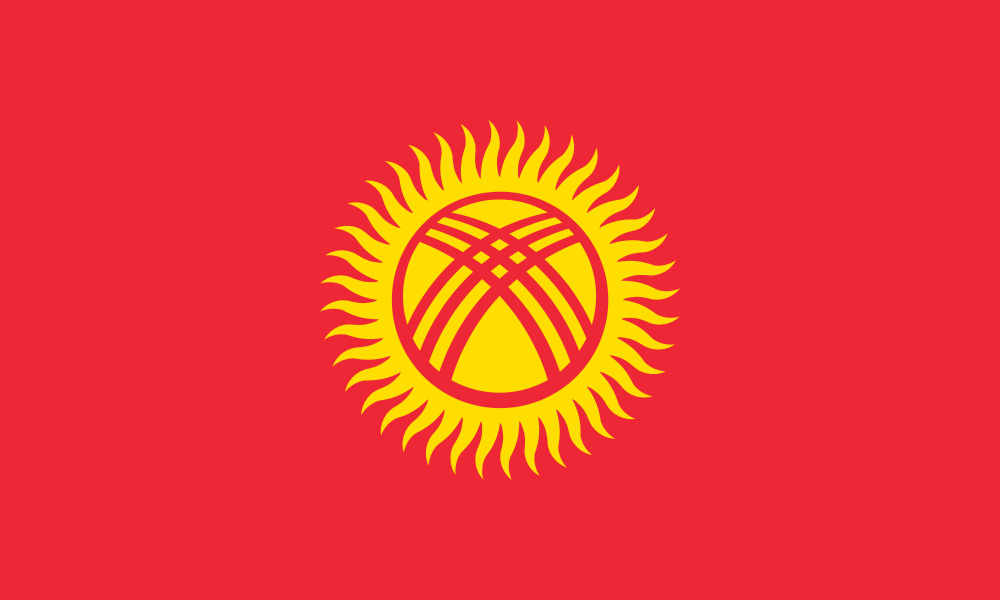
  • Kyrgyzstan
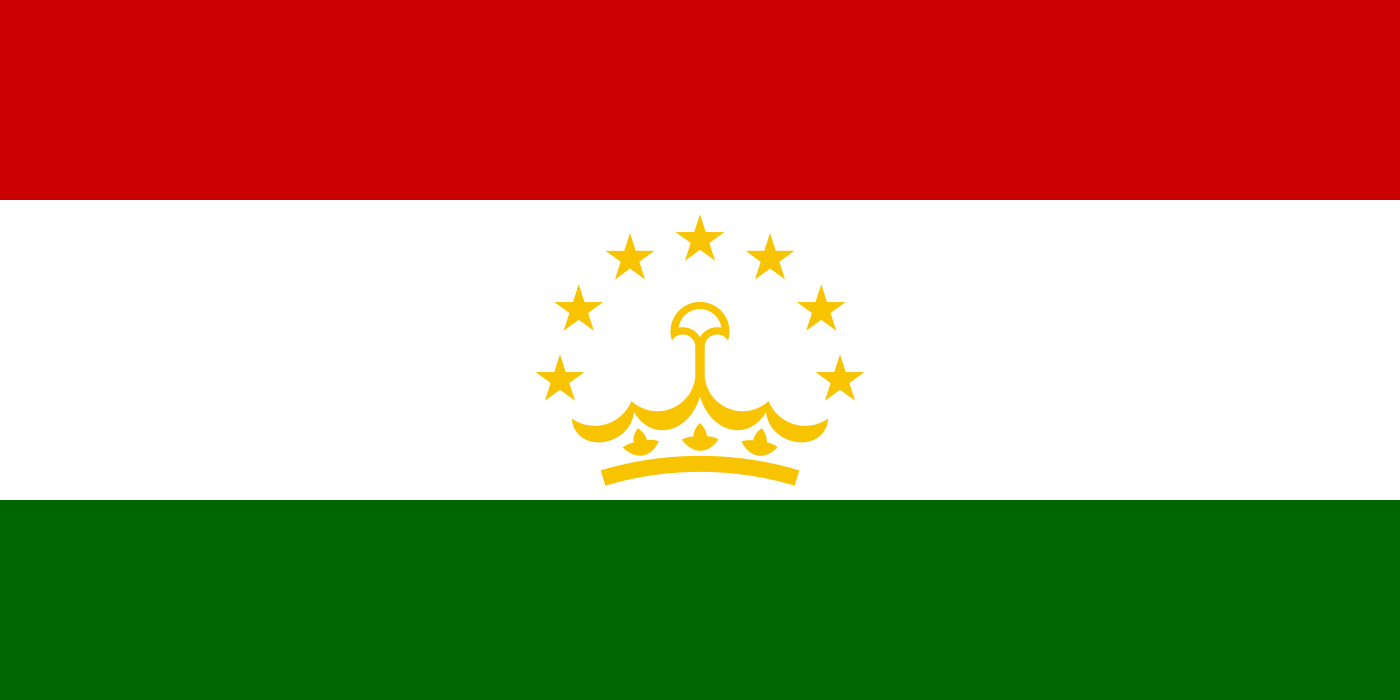
  • Tajikistan

No supporting documents other than a passport are required to confirm eligibility on this basis.

Under an international agreement

Eligibility is confirmed by the document specified for the applicant’s country of citizenship.

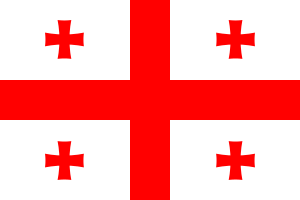
  • Georgia, or
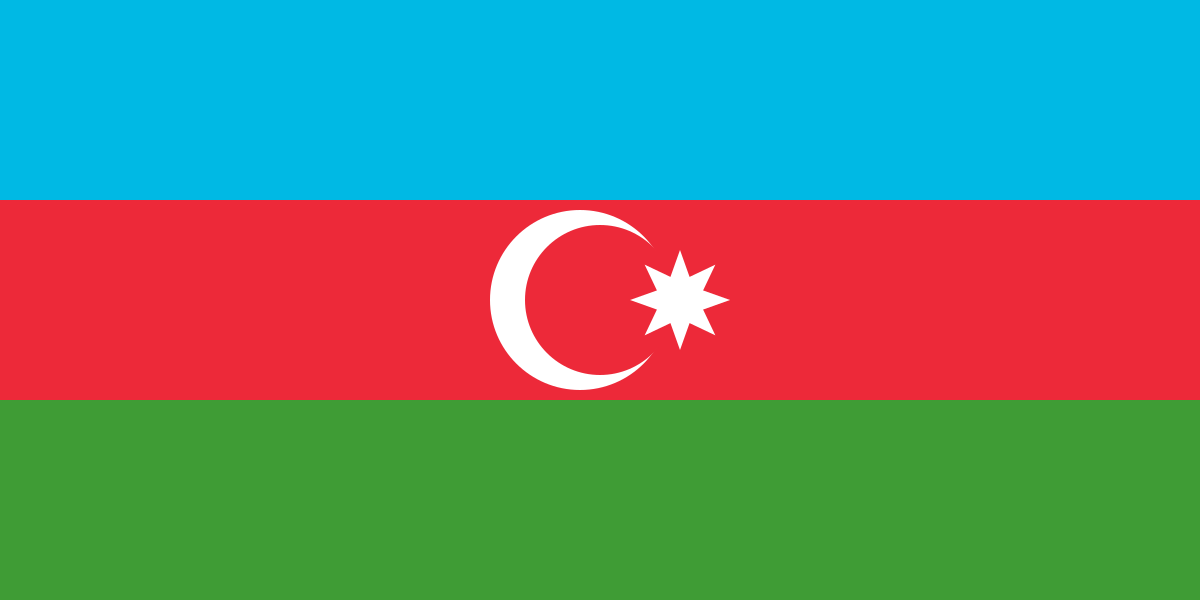
  • Azerbaijan, or
  • Armenia
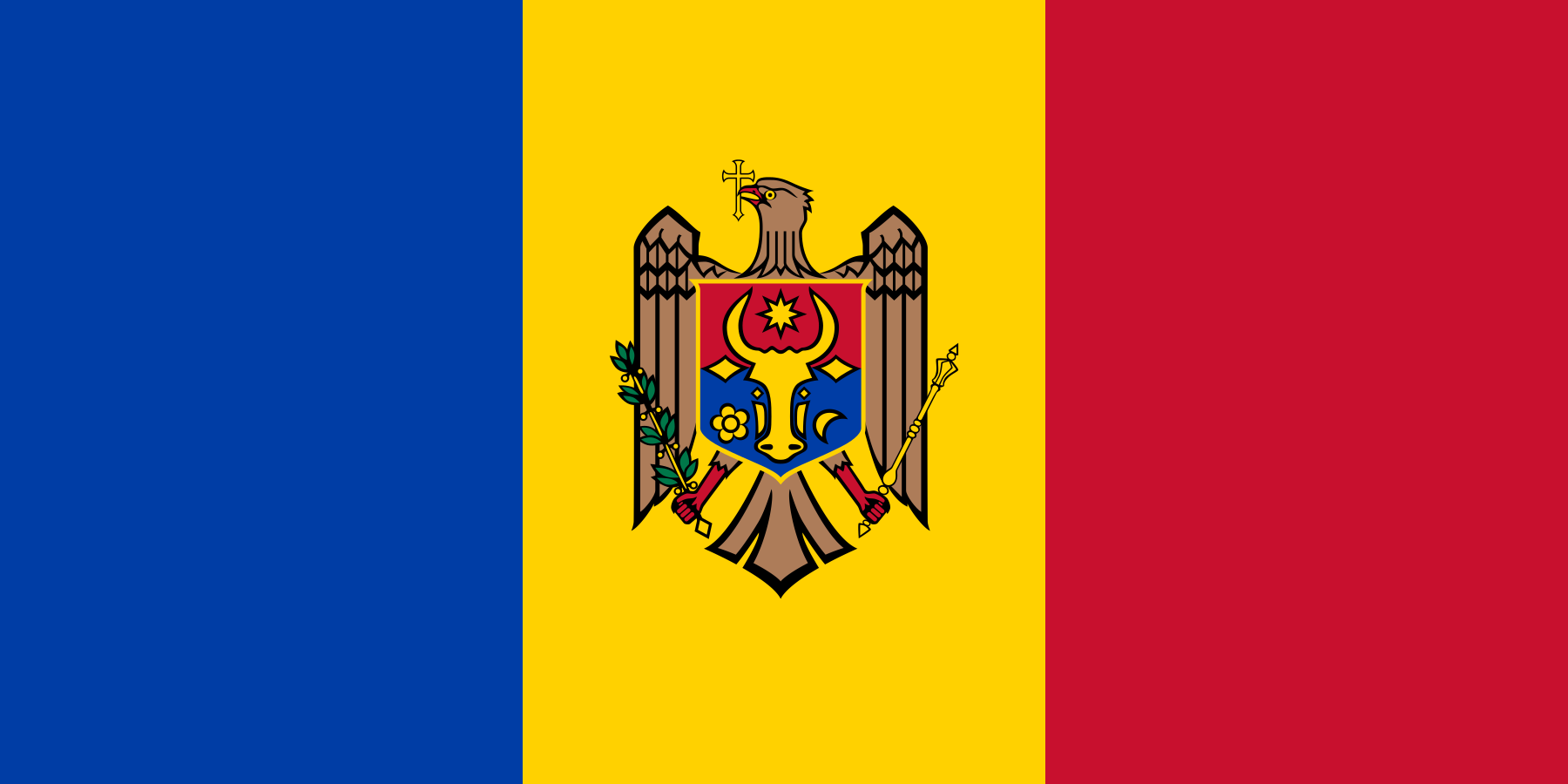
  • Moldova
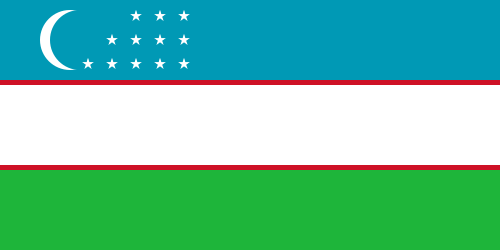
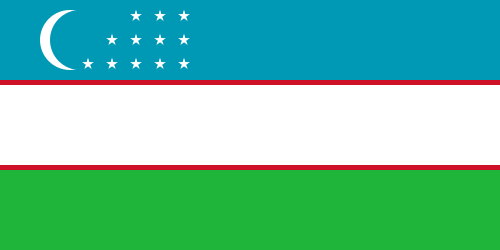
  • Uzbekistan
  • Turkmenistan

The following may be required to confirm this status:

  • a birth certificate issued in the USSR;
  • a parent’s birth certificate confirming birth in the USSR or the RSFSR;
  • documents confirming residence outside Russia.

Permanent residence permit

A document issued to foreign nationals that allows them to reside permanently and legally in Russia.

The holder remains a citizen of their home country. Each year, they must notify the Ministry of Internal Affairs that they reside in Russia. The permit may be revoked if this or certain other requirements are violated.

Temporary residence permit

A temporary residence permit is issued for up to 3 years and cannot be extended. When it expires, the foreign national must choose one of the following options:

  • apply for permanent residence in Russia no later than 4 months before the temporary permit expires;
  • leave Russia, re-enter, and obtain a new temporary residence permit;
  • leave Russia.

Violating these rules may result in a fine of 2,000 to 5,000 rubles and removal from the Russian Federation.

Temporary residence permit for education

A document that allows a foreign national to reside and study in the Russian Federation.

The permit is issued for the duration of study plus a further 180 calendar days.

After graduation, foreign nationals or stateless persons who received this permit may apply for permanent residence within 3 years under a simplified procedure, without first obtaining a standard temporary residence permit in Russia.

Compatriot status

Compatriots — people who were born or live (or previously lived) in the same country, as well as their descendants: children, grandchildren, and great-grandchildren.

The main criterion is a shared language, history, culture, traditions, and customs.

Compatriots are entitled to free secondary vocational, higher, and supplementary vocational education on the same basis as citizens of the Russian Federation.

To be recognized as a compatriot for tuition-free education, a foreign national or stateless person must confirm that they:

  • previously lived in the USSR or the Russian Federation, or have direct-line ancestors who previously lived in the USSR or the Russian Federation;
  • currently live outside Russia.
Legal basis:
Federal Law No. 273-FZ of December 29, 2012, “On Education in the Russian Federation” (Article 78, Part 4);
Federal Law No. 99-FZ of May 24, 1999, “On the State Policy of the Russian Federation Regarding Compatriots Abroad” (Article 17, Part 6).

World Championship of Russian Language for Foreigners

World Championship of Russian Language for Foreigners — a major annual project supported by the Ministry of Science and Higher Education of the Russian Federation that brings together thousands of young people passionate about Russian-speaking culture.

Winners and prize-winners will receive trophies, medals, and, most importantly, the right to enroll at Russian universities

The championship is held in two stages. The 2026 schedule:

  1. Qualifying stage — online, from July 27 to October 1, 2026.
  2. Final — in person in Moscow, from November 19 to 23, 2026.

The 30 top teams will take part in the final. Participants will solve situational tasks in teams, debate, compete in an intellectual tournament, and write essays.

Championship finalists will have the opportunity to travel to Russia’s capitalMoscow — and the organizers will cover the cost of travel, accommodation, and meals during the final.

Registration is OPEN from July 1 to October 1, 2026

Assemble your team and take the first step toward your dream education in Russia!

How universities develop

Russia has government programs that promote the development of higher education. The "Priority 2030" program helps more than 100 leading universities improve the quality of education and conduct research. Advanced Engineering Schools at universities train technical specialists for the economy's most advanced technology sectors. The federal project "Creating a Network of Modern Campuses" funds the construction of 40 world-class campuses across the country.

Priority «2030»

Since 2021, the largest higher education development program in Russia's history, Priority 2030, has been underway. Its goal is to create the conditions for high-quality higher education. Universities are developing unique solutions to advance Russia's technological leadership.

The project covers:

participating universities:

  • receive grant support from 100 million rubles;
  • become partners with enterprises and business companies;
  • cooperate with scientific organizations;
  • implement 241 strategic technology projects.

Thanks to the program, university infrastructure is being modernized and research laboratories where young scientists work are being equipped. Universities are opening digital departments that enable students to gain qualifications for new careers in information technology. Educational programs are evolving as well: students take practical modules, while the "Startup as a Diploma" program allows them to defend a final project based on their own business idea.

Advanced engineering schools

Since 2022, Russia has been implementing the Advanced Engineering Schools project.
Its goal is to train a new generation of engineers capable of working at modern enterprises and creating technological solutions.

Advanced engineering schools are educational centers based at Russian universities, where students study in cooperation with leading companies and gain experience participating in real engineering projects.

In 2026, 50 advanced engineering schools are operating in Russia.

Creating a network of modern campuses

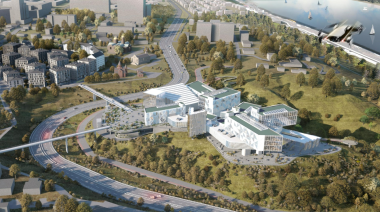
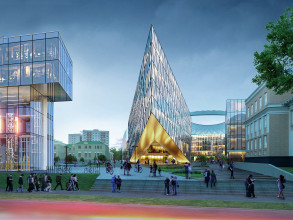
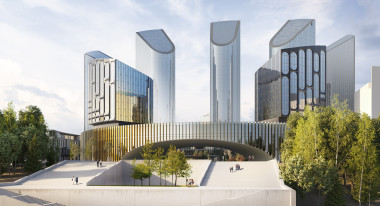
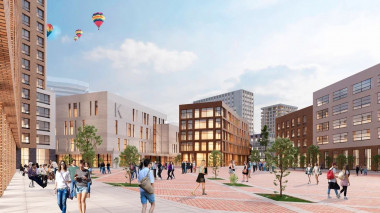
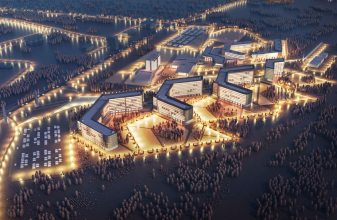
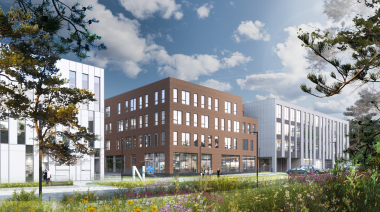
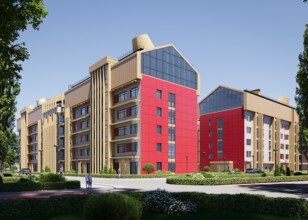
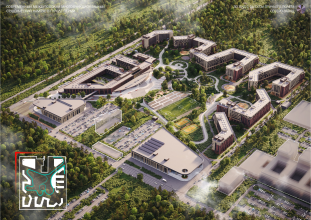
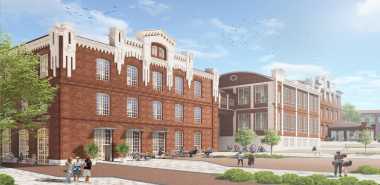
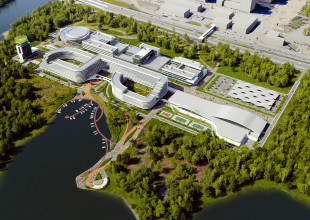
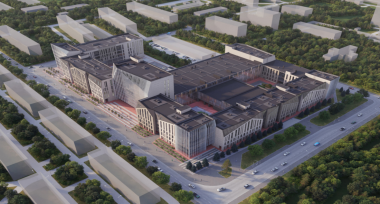
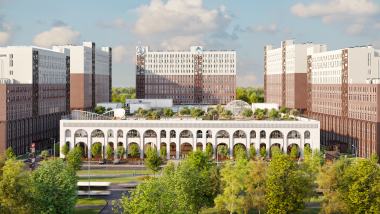
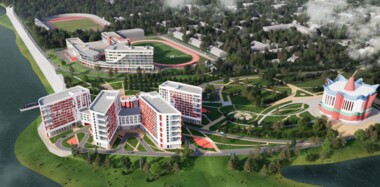
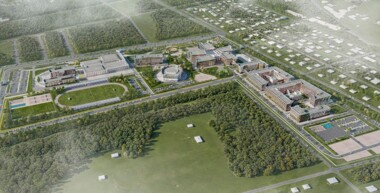
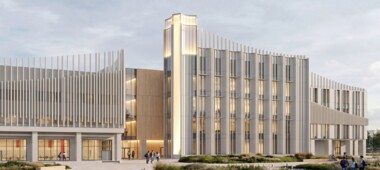
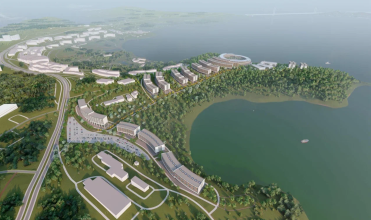
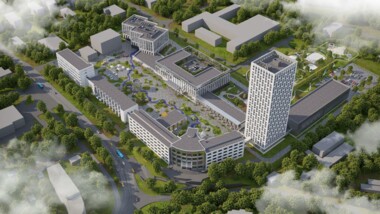
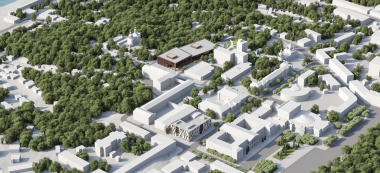
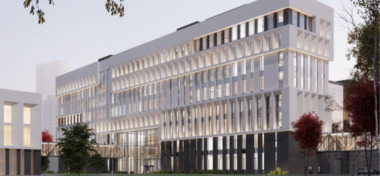
Despite the high level of technological development at Russian universities, innovative world-class campuses continue to be built across the country. Forty such spaces will be built by 2036.

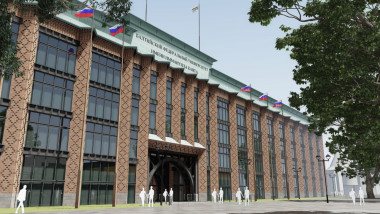
The campus of Bauman Moscow State Technical University has already been completed. Construction of future campuses continues in the Republic of Bashkortostan and the Kaliningrad, Nizhny Novgorod, Novosibirsk, Sakhalin, Sverdlovsk, and Chelyabinsk regions. The campuses should make Russian universities more attractive to international applicants.

Education in Russia

Foreign applicants have access to the same training programs as Russian applicants. In Russia, training is conducted in 56 areas. All of them correspond to the international standard classification of education and have the broadest profile—from medicine and agriculture to information security and nuclear technologies. A complete list of specialties that can be obtained in Russia can be viewed here.

In Russia, there are several forms of education, each of which has its own characteristics and is suitable for different categories of students.

  • Full-time education involves regular attendance at classes at the educational institution five or six days a week. Students are deeply immersed in the educational process, but a busy schedule limits the ability to combine study with work.
  • Part-time education implies that students attend classes at the educational institution on certain days or in the evening, and the rest of the time they study independently, completing assignments and preparing for exams. This form requires high self-organization.
  • Part-time education is aimed at students who cannot regularly attend classes due to work or other circumstances. The student independently studies most of the educational material, and attendance at the university is limited to sessions several times a year for exams and tests. This form of education can be more affordable, but the lack of regular contact with teachers can complicate the process of mastering the material.

  • To enter under the quota of the Government of the Russian Federation To participate in the program, it is necessary to pass the competitive selection by submitting an application on the website education-in-russia.com
  • To enter the Olympiad. Prize-winners of academic competitions held independently by individual universities may also qualify for a quota. The list of competitions is available on the website.
  • To enter within the framework of the general competition. Available to citizens of countries with which Russia has concluded the corresponding agreement international agreement, as well as for those who have the status compatriot.

The average cost of studying at a Russian university is 250 000 ₽ per year. However, prices vary depending on the city, program, and university. Payment is usually made twice a year at the beginning of the semester. The possibility of paying for studies from abroad should be clarified at the university itself.

On the pages of universities, you can find information about the specific cost of studying in various educational programs.

The university admission campaign begins in June and may continue until October. Check the application submission, entrance examination, and enrollment deadlines with your chosen university.

For international applicants applying under the quota of the Government of the Russian Federation, application deadlines may differ. Applications are generally accepted from September through December. Check the exact deadlines with a Rossotrudnichestvo representative office in your country or on the Education in Russia portal.

International applicants considering admission based on Olympiad results should review the registration deadlines, procedures, and result announcement date in advance. University Olympiads are generally held from October through March. Exact dates are published on the website of the Olympiad organizer or university.

At most Russian universities, international students study in Russian. Some universities also offer programs taught in English.

To learn Russian and prepare for university admission, international applicants can take Russian language courses or study at a university’s preparatory faculty.

When applying under a quota, there is an opportunity to study for free under such a program. This is an excellent chance to learn Russian and improve your specialized subjects before starting your main studies at the university.

Universities regularly organize adaptation events for foreign students During the academic year, universities hold a large number of various forums, conferences, round tables, master classes, and trainings—over 2,500 events aimed at socializing foreign students.

Admission procedure

Foreign applicants can choose from two exam options. The first is the EGE, a standardized state exam in Russian, which Russian applicants take. It can be taken both in Russia and abroad. To find out if you can take the EGE in your country, contact the Russian consulate.

The second is the internal exam of the university, which can be in the format of a test, assignment, or interview. Different universities may have different exams. Usually, they are related to the direction you have chosen for study. For example, to study medicine, you may have to take an internal exam in biology.

Details about the exam itself: the time and place of its conduct, format, assignments, and literature for preparation — must be clarified at the university itself.

If you are applying under the quota of the Government of the Russian Federation, then information about the conduct of tests must be clarified on the website https://education-in-russia.com/.

To enroll in a Russian university, the Study in Russia website will help. This is an official resource of the Ministry of Science and Higher Education of the Russian Federation. Through it, you can not only learn more about education in Russia but also get acquainted with various university opportunities

  1. Decide which specialty you want to study in. Meet the universities that provide training in the direction you need. On the portal, you can view a list of universities and available training programs
  2. Register on the university's website, fill out and submit an application for admission. Attach the necessary documents to it. Make sure they are in the correct format and meet the university's requirements. You can submit documents in Russia to no more than 5 different universities.
  3. Sign up for entrance tests and pass them. Some tests can be taken online. Check the information and personal account on the university's website.
  4. If you have successfully passed the entrance examinations, you will be offered to sign a consent to enrollment if you are applying on a budget basis, and sign a consent to enrollment and conclude a payment agreement if you are applying on a contractual basis (for a fee). Pay for the training if you have applied on a contractual basis.
  5. Apply to the university for an invitation to enter on a study visa.

Mandatory documents are:

  1. Identity document.
  2. Legalized and recognized education document.

Requirements for additional documents may vary depending on mode of entry. You can clarify them in a chat with a university representative through your personal account on the Study in Russia portal. All documents must be notarized and translated into Russian.

Legalization is a formal procedure that allows a foreign document to acquire legal force on the territory of Russia. After legalization, foreign documents can be submitted to the official bodies of another state.

There are two types of legalization:

Consular legalization

  • certification of the document by the foreign affairs authorities of the country where the document was issued
  • certification of the document by the consular services of the Russian Federation in the country where the document was issued

Apostilling

This is the placement of the "Apostille" stamp on the original document or on a separate sheet attached to the document. Usually, the stamp is placed by the authorized bodies of the country issuing the document (Secretary of State, Department of Education, Ministry of Education, educational institutions, etc.).

Recognition of foreign education in Russia — this is an official confirmation of the level of education and qualification obtained, which allows you to study in Russian educational institutions. In Russia, foreign diplomas of educational institutions approved by the government, issued in countries with which there are international treaties on mutual recognition, are recognized.

You can check whether your diploma is recognized in Russia on the website of "Rosacredagency" by submitting an application online.

If your diploma is NOT recognized in Russia, you will need to go through the recognition procedure. To do this, you need to fill out an application on the same website, as well as pay a state fee of 6 500 ₽. More information about the procedure can be found at website.

After submitting an application for training, you will be able to track the status of the application in your personal account on the university's website and clarify the necessary information through the email of the admissions committee of the Russian university.

To obtain a student visa, an invitation from the university is required. Usually, it is sent to your email after all stages of admission and your enrollment for study have been completed. The invitation must be printed and included in the package of documents that must be submitted to the Embassy of the Russian Federation or the visa center of your country for obtaining a student visa

Moving to Russia

After submitting documents to a Russian university, you need to prepare a package of documents for life in Russia.

Documents required for entry:

  • passport of a foreign citizen,
  • visa (for countries with visa entry).

Upon entry into Russia, the following are issued:

  • migration card.

Documents that must be obtained after entering Russia:
  • registration at the place of residence on the territory of the Russian Federation,
  • voluntary medical insurance policy,
  • certificates of medical examination,
  • certificate of dactyloscopic examination (green card).

Do not forget to timely renew the necessary documents for your stay in Russia.

Also, foreign students have the right to obtain a temporary residence permit for the purpose of education (RVPO).

RVPO will be issued immediately for the entire duration of study. For the same period, you can obtain a visa and reside in the territory of the Russian Federation without leaving during the entire validity period of the RVPO. The document also provides the opportunity to work in Russia and receive free medical care under the OMS

You can get the service online, we sent a package of documents to your personal account on the website «State services».

«State services» — official state portal where you can arrange documents, get extracts, and certificates.

What can be done on «State services»:

  • to receive migration services,
  • receive other electronic services: make an appointment with a doctor, submit an application to the registry office, obtain a driver's license, etc.,
  • to pay fines and tax debts,
  • to pay the state duty,
  • store documents in your personal account.

To start using «State services», Foreign students need to obtain SNILS and then register on the portal.

A mobile app also works for foreign citizens «State services RuID», adapted for visitors. In the app, you can submit an application for entry into Russia, present a QR code that will be formed after crossing the border and confirming your account on Gosuslugi.

The application is available in App Store, Google Play, RuStore and AppGallery in 7 languages.

On average, a foreign student needs 24 300₽–32 400₽ per month. For the first time, it is recommended to have more 56 700₽ for additional expenses: medical insurance, housing arrangement, and textbooks.

Expenses may vary depending on the student's needs and the region in which the student is studying.

Foreign students who study full-time at a university with state accreditation can work in Russia without permits during their free time. It is necessary to provide the employer with a certificate confirming education at the university.

If a student studies part-time or part-time, they can also work, but first they need to obtain a work permit or patent.

Most Russian universities have special career centers that help students with work. Each university cooperates with organizations that provide internships or even open vacancies.

Information about graduate employment opportunities can also be viewed in the university card in the "Graduate Employment" tab.

Educational process

If you study at a state university on a budgetary basis, you are given free textbooks and teaching aids for the entire period of study. In addition, you have access to library resources and other educational databases.

If you are studying subjects or courses beyond the standard curriculum, study materials are provided according to the rules of your university.

A foreign student can apply for accommodation in a dormitory both on a paid and free basis. Each university independently determines the procedure for providing housing to students, including foreign ones.

Foreign students who entered within the quota of the Government of the Russian Federation are guaranteed a place in the dormitory.

Yes, foreign students studying in Russia on a full-time basis at the expense of federal funds have the right to receive state academic scholarships. Students admitted under the quota of the Government of the Russian Federation are paid a scholarship throughout the entire period of study, regardless of academic achievement.

In addition to the main state academic scholarship, you can receive an increased scholarship. It is available to students with special achievements in educational, research, social, cultural, creative, or sports activities.

There are also additional types of material support: nominal scholarships, scholarships from individual universities, and material support from the university

A full list of scholarships and information about the conditions for obtaining them can be found on the website стипендиатроссии.рф.

For foreign students in Russia, the same rules for taking and retaking exams apply as for Russian students. Each student has the right to retake the exam twice, unless otherwise provided by the university's regulatory acts. Upon graduation, it is necessary to pass the final certification, which usually consists of taking the state exam and defending the graduation qualification paper.

Program description

A dual-degree program is a joint study program delivered by two or more partner universities.

Students complete part of the program at a Russian university and another part at a foreign or Russian partner university.

After successfully completing the program, students receive a diploma from each university.

4. Two universities — one learning environment

Students have access to the resources and infrastructure of both partner universities, including libraries, digital resources, teaching and research spaces, and cultural and sports facilities.

Hello!Shall we talk?Ask questions!I will answer any question!Any questions?Ask!Any questions left?Ready to help!I will be glad to help!Click on me!
Study programs

Fields of study

Fields found: 217

  1. 01.03.00Mathematics and Mechanics
  2. 01.03.01Mathematics
  3. 01.03.02modern programming
  4. 01.03.03Intelligent Computing in Mechanics
  5. 01.03.04Applied Mathematics
  6. 01.03.05Statistics
  7. 01.04.02Applied Mathematics and Computer Science
  8. 01.05.01fundamental mathematics
  9. 02.03.00computer and information science
  10. 02.03.01data sciences
  11. 02.03.02software engineering (profile)
  12. 02.03.03programming technologies
  13. 03.02.01Mathematics and Computer Science. Digital Technologies
  14. 03.03.01quantum engineering
  15. 03.03.02Physics
  16. 03.03.03Radiophysics
  17. 04.03.00Chemistry
  18. 04.03.01Chemistry
  19. 4.03.01Physical education
  20. 04.03.02chemical materials science
  21. 05.03.01Geology
  22. 05.03.02Geography
  23. 05.03.03Cartography
  24. 05.03.04Hydrometeorology
  25. 05.03.05Applied Hydrometeorology
  26. 05.03.06Environmental safety
  27. 06.03.01Biology
  28. 06.03.02Soil science
  29. 07.03.00Architecture
  30. 07.03.01Архитектура
  31. 07.03.02Реконструкция и реставрация архитектурного наследия
  32. 07.03.03Architectural Environment Design
  33. 07.03.04urban design
  34. 08.03.00Construction techniques and technologies
  35. 08.03.01Construction
  36. 08.05.01Construction of Unique Buildings “Construction of High-Rise and Long-Span Buildings and Structures”
  37. 09.03.00Computer Science and Computing
  38. 09.03.01Computer Science and Computing
  39. 09.03.02information security
  40. 09.03.03web development
  41. 09.03.04Software Engineering
  42. 09.03.05Innovation (Innovation and Technology Management)
  43. 09.04.01Informatics and Computer Engineering (Embedded Information Processing and Control Systems)
  44. 09.05.01Special-purpose automated information processing and control systems
  45. 10.03.01Information Security
  46. 11.03.01Radio Engineering
  47. 11.03.02Инфокоммуникационные технологии и системы связи
  48. 11.03.03Design and Technology of Electronic Means
  49. 11.03.04industrial electronics
  50. 11.05.01Радиоэлектронные системы и комплексы специализация«Интеллектуальные программно-аппаратные системы »
  51. 12.03.00Photonics, instrumentation, optical and biotechnical systems and technologies
  52. 12.03.01Instrumentation
  53. 12.03.02Optotechnics
  54. 12.03.03Intelligent Photonic Systems
  55. 12.03.04Bionanotechnology
  56. 12.03.05laser systems and technologies
  57. 12.04.01Instrumentation Engineering / Measurement Information Technologies
  58. 13.03.00Electric and thermal energy
  59. 13.03.01Thermal power plants
  60. 13.03.02Hydropower
  61. 13.03.03Power Engineering
  62. 14.03.01Thermal physics
  63. 14.03.02Physics of cosmic radiation
  64. 14.05.02Атомные станции :проектирование ,эксплуатацияи инжиниринг
  65. 14.05.04Micro- and nanoelectronics of intelligent and information systems
  66. 15.03.00Mechanical engineering
  67. 15.03.01Mechanical Engineering
  68. 15.03.02Technological Machines and Equipment
  69. 15.03.03Applied Mechanics
  70. 15.03.04Automation of industrial enterprises
  71. 15.03.05Design and Technological Support of Machine-Building Production
  72. 15.03.06robotic devices
  73. 15.04.02Technological machines and equipment
  74. 16.03.01Technical Physics
  75. 16.03.02laser fusion
  76. 16.03.03Refrigeration, cryogenics and life support systems
  77. 18.03.00chemical technologies
  78. 18.03.01Chemical Technology
  79. 18.03.02Energy and resource-saving processes in chemical technology, petrochemistry and biotechnology
  80. 19.03.01Biotechnology
  81. 19.03.02Plant-based food products
  82. 19.03.03Animal food products
  83. 19.03.04Product technology and catering organization
  84. 20.03.00Technospheric security and environmental management
  85. 20.03.01Technosphere Safety
  86. 20.03.02Nature management and water use
  87. 20.05.01Fire Safety ( Fire Safety )
  88. 21.03.01Нефтегазовое дело
  89. 21.03.02Land Management and Cadastre
  90. 21.03.03Geodesy and Remote Sensing
  91. 22.03.00materials technology
  92. 22.03.01Materials and Process Physics
  93. 22.03.02Metallurgy
  94. 23.03.01Transport Process Technology
  95. 23.03.02Ground transport technology complexes
  96. 23.03.03Operation of transport-technological machines
  97. 23.05.01Ground transport and technological means
  98. 24.03.00Aviation and rocket-space technology
  99. 24.03.01Rocket Systems and Cosmonautics
  100. 24.03.03Ballistics and hydroaerodynamics
  101. 24.03.04Aircraft Engineering
  102. 24.03.05Aircraft Engines
  103. 24.05.01Design, production and operation of rockets and rocket-space complexes
  104. 24.05.07Aircraft and helicopter engineering
  105. 25.03.01Aircraft and aircraft engine maintenance
  106. 25.03.03air navigation
  107. 25.03.04Airport operations and aircraft flight operations
  108. 26.03.02Shipbuilding, ocean engineering, and systems engineering of marine infrastructure facilities
  109. 27.03.00Management in technical systems
  110. 27.03.01Standardization and Metrology
  111. 27.03.02Quality Management
  112. 27.03.03Системный анализ и управление
  113. 27.03.04Control in Technical Systems
  114. 27.03.05Innovation
  115. 28.03.01Nanotechnology and microsystem engineering
  116. 28.03.02Nanoengineering
  117. 28.03.03nanomaterials
  118. 29.03.00Light industry technologies
  119. 29.03.01Technology of light industry products
  120. 29.03.02textile technology and design
  121. 29.03.03Technology of printing and packaging production
  122. 29.03.04Technology of artistic material processing
  123. 29.03.05Design of light industry products
  124. 30.03.01Economics
  125. 34.03.01Nursing
  126. 35.03.01Forestry business
  127. 35.03.02Technology of logging and wood processing industries
  128. 35.03.03Agrochemistry and agrosoil science
  129. 35.03.04agronomy
  130. 35.03.05Gardening
  131. 35.03.06Agroengineering
  132. 35.03.07Agricultural production and processing technology
  133. 35.03.08Aquatic bioresources and aquaculture
  134. 35.03.10landscape architecture
  135. 35.03.11Hydromelioration
  136. 36.03.01Ветеринарно-санитарная экспертиза
  137. 36.03.02Zootechnics
  138. 36.05.01Ветеринария
  139. 37.03.00Psychological sciences
  140. 37.03.01profiling
  141. 37.03.02Conflictology
  142. 37.05.01clinical psychology
  143. 37.05.02Psychology of work performance
  144. 38.03.00Economics and Management
  145. 38.03.01Economics
  146. 38.03.02Marketing
  147. 38.03.03Personnel Management
  148. 38.03.04Digital state
  149. 38.03.05digital analytics
  150. 38.03.06Commerce
  151. 38.03.07Commodity science
  152. 38.05.01Economic Security (Economic and Legal Support of Economic Security)
  153. 39.03.00Sociology and social work
  154. 39.03.01Sociology
  155. 39.03.02Social Work
  156. 39.03.03Organization of Youth Work
  157. 40.03.00Jurisprudence
  158. 40.03.01Law
  159. 41.03.01Foreign Regional Studies
  160. 41.03.02Russian studies
  161. 41.03.04Политология
  162. 41.03.05International Relations
  163. 41.03.06Socio-political communications
  164. 42.03.00Mass Media and Information and Library Affairs
  165. 42.03.01Strategic Communications
  166. 42.03.02Journalism
  167. 42.03.03Издательское дело
  168. 42.03.04Television
  169. 42.03.05Media Communications
  170. 43.03.00Service and tourism
  171. 43.03.01Service
  172. 43.03.02Туризм
  173. 43.03.03Hotel Business
  174. 44.03.01Biology
  175. 44.03.02preschool education
  176. 44.03.03Speech Therapy
  177. 44.03.04vocational training
  178. 44.03.05History. Law
  179. 44.04.02Psychology and Pedagogy of Foreign Language Teaching
  180. 45.03.01Philology
  181. 45.03.02Linguistics
  182. 45.03.03Fundamental and Applied Linguistics
  183. 45.03.04Intelligent Systems in the Humanities
  184. 46.03.00History and Archaeology
  185. 46.03.01History
  186. 46.03.02History
  187. 46.03.03Anthropology and Ethnology
  188. 47.03.01Философия
  189. 47.03.03Religious Studies
  190. 48.03.01Theology
  191. 49.03.01Sports training
  192. 49.03.02adaptive sports
  193. 49.03.03Recreation and sports and health tourism
  194. 49.03.04Sports
  195. 50.03.01Design (profile)
  196. 50.03.02academic painting
  197. 50.03.03art history
  198. 50.03.04Теория и история искусств
  199. 51.03.01Cultural Studies
  200. 51.03.02Folk art culture
  201. 51.03.03Socio-cultural activity
  202. 51.03.04Exhibition activities
  203. 51.03.05Theatrical performances and holidays
  204. 51.03.06Library and information activities
  205. 52.03.01Choreographic art
  206. 53.03.01Variety Music
  207. 53.03.02The piano
  208. 53.03.03Vocal Art
  209. 53.03.04Folk Singing
  210. 53.03.05Conducting
  211. 53.03.06Musicology and Applied Musical Arts
  212. 54.03.00The design
  213. 54.03.01Design
  214. 54.03.02Decorative and applied arts
  215. 54.03.03Costume and textile art
  216. 54.03.04Restoration Profile Restoration of easel painting
  217. 58.03.01Hebraistics
Priority «2030»

participating universities

106universities

  1. A.A. Kadyrov Chechen State University
  2. A.Ya. Vaganova Academy of Russian Ballet
  3. Admiral G.I. Nevelsky Maritime State University
  4. Adyghe State University
  5. All-Russian State University of Cinematography named after S.A. Gerasimov
  6. Altai State University
  7. Arctic State Institute of Culture and Arts
  8. Bashkir State Agrarian University
  9. Bashkir State Medical University
  10. Bauman Moscow State Technical University (National Research University)
  11. Belgorod State Agrarian University named after V.Ya. Gorin
  12. Belgorod State National Research University
  13. Belgorod State Technological University named after V.G. Shukhov
  14. Blagoveshchensk State Pedagogical University
  15. Boris Shchukin Theater Institute at the State Academic Theater named after Evgeny Vakhtangov
  16. Buryat State Agricultural Academy named after V.R. Filippov
  17. Don State Technical University
  18. Dorzhi Banzarov Buryat State University
  19. East Siberian State University of Technology and Management
  20. Far Eastern Federal University
  21. Far Eastern State Academy of Physical Culture
  22. Far Eastern State Agrarian University
  23. Far Eastern State University of Communications
  24. Federal State Budgetary Educational Institution of Higher Education "Siberian State Medical University" of the Ministry of Health of the Russian Federation
  25. First Moscow State Medical University named after I.M. Sechenov of the Ministry of Health of the Russian Federation (Sechenov University)
  26. First St. Petersburg State Medical University named after Academician I.P. Pavlov
  27. Gnesin Russian Academy of Music
  28. Immanuel Kant Baltic Federal University
  29. Irkutsk National Research Technical University
  30. Kabardino-Balkarian State University named after H.M. Berbekov
  31. Kalmyk State University named after B.B. Gorodovikov
  32. Kamchatka State University named after Vitus Bering
  33. Kazan (Volga) Federal University
  34. Kazan National Research Technical University named after A.N. Tupolev-KAI
  35. Kazan National Research Technological University
  36. Kazan State Medical University
  37. Kuban State Agrarian University named after I.T. Trubilin
  38. Kutafin Moscow State Law University (MSAL)
  39. Lobachevsky National Research Nizhny Novgorod State University
  40. Mari State University
  41. MIREA - Russian Technological University
  42. MISIS University of Science and Technology
  43. Moscow Aviation Institute (National Research University)
  44. Moscow Institute of Physics and Technology (National Research University)
  45. Moscow Polytechnic University
  46. Moscow State Institute of International Relations (University) of the Ministry of Foreign Affairs of the Russian Federation
  47. Moscow State Technological University «STANKIN»
  48. Moscow State University of Geodesy and Cartography
  49. National Research Moscow State University of Civil Engineering
  50. National Research Nuclear University MEPhI
  51. National Research Ogarev Mordovia State University
  52. National Research University "MEI"
  53. National Research University "Moscow Institute of Electronic Technology"
  54. National Research University Higher School of Economics
  55. National Research University ITMO
  56. Nizhny Novgorod State Technical University named after R.E. Alekseev
  57. North-Caucasus Federal University
  58. Novosibirsk National Research State University
  59. Novosibirsk State Technical University
  60. Pacific State Medical University
  61. Pacific State University
  62. Perm National Research Polytechnic University
  63. Peter the Great St. Petersburg Polytechnic University
  64. Plekhanov Russian University of Economics
  65. Priamurye State University named after Sholom Aleichem
  66. Russian Chemical and Technological University named after D.I. Mendeleev
  67. Russian Institute of Theater Arts – GITIS
  68. Russian National Research Medical University named after N.I. Pirogov
  69. Russian State Agrarian University - K.A. Timiryazev MSHA
  70. Russian University of Medicine
  71. Russian University of Transport
  72. S. M. Kirov Military Medical Academy
  73. Saint Petersburg State Maritime Technical University
  74. Sakhalin State University
  75. Samara National Research University named after Academician S.P. Korolev
  76. Samara State Medical University
  77. Saratov National Research State University named after N.G. Chernyshevsky
  78. Saratov State University of Genetics, Biotechnology and Engineering named after N. I. Vavilov
  79. Sevastopol State University
  80. Siberian Federal University
  81. South Ural State University (National Research University)
  82. Southern Federal University
  83. Southern Russian State Polytechnic University (NPI) named after M.I. Platov
  84. St. Petersburg State Electrotechnical University "LETI" named after V.I. Ulyanov (Lenin)
  85. St. Petersburg State University of Communications of Emperor Alexander I
  86. St. Petersburg State University of Industrial Technologies and Design
  87. State Autonomous Educational Institution of Higher Education of the City of Moscow "Moscow City Pedagogical University"
  88. Stavropol State Agrarian University
  89. Togliatti State University
  90. Tomsk Polytechnic University
  91. Tomsk State University
  92. Tomsk State University of Architecture and Construction
  93. Tomsk State University of Control Systems and Radioelectronics
  94. Tula State University
  95. Tyumen State University
  96. Ufa State Petroleum Technical University
  97. Ufa University of Science and Technology
  98. Ulyanovsk State University
  99. Ural Federal University named after the First President of Russia B. N. Yeltsin
  100. Ural State Medical University
  101. Volga Research Medical University
  102. Volgograd State Technical University
  103. Voronezh State University
  104. Vyatka State University
  105. Yaroslavl State Technical University
  106. Zabaykalsky State University